Energy Resilience: How Hearth Appliances Provide Reliable Heat  in Canadian Winters

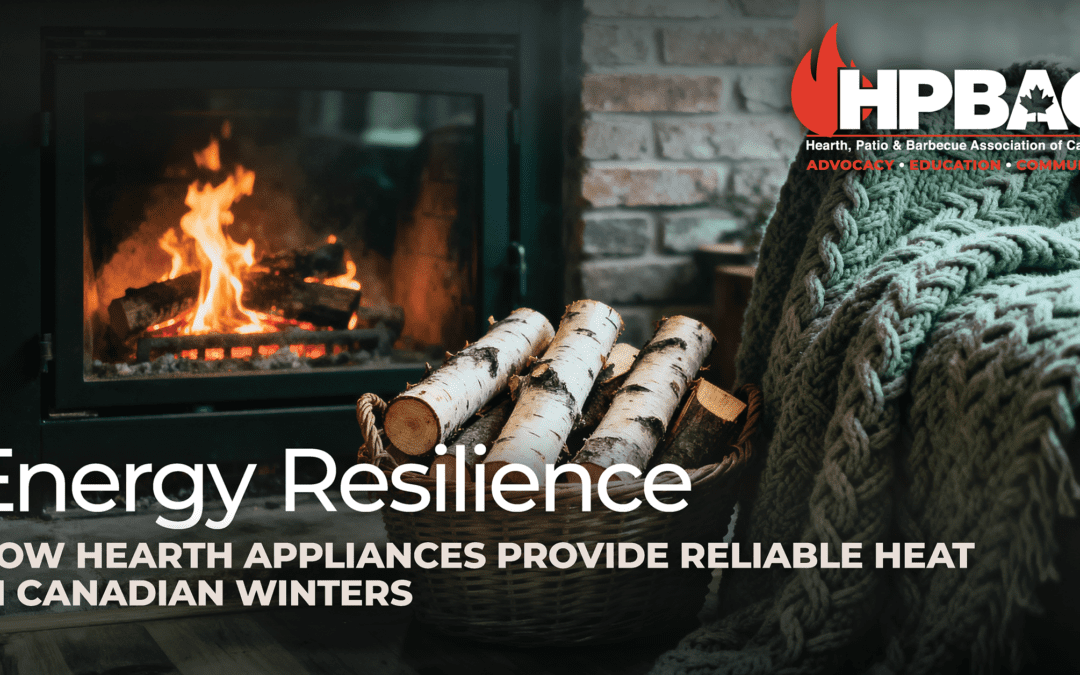
Energy Resilience: How Hearth Appliances Provide Reliable Heat in Canadian Winters

Canadian winters are beautiful, but they can challenge even the most reliable energy systems. Storms, extreme cold, and high energy demand can sometimes cause power outages, leaving families vulnerable. Energy resilience—having ways to stay warm and safe during disruptions—is an important consideration for many homeowners.

Hearth appliances provide dependable heat, can operate without electricity, and supplement other heating sources. Whether you have a wood, gas, or pellet appliance, a well-maintained hearth appliance can be part of a diversified household energy plan.


Hearth Appliances as Reliable Backup Heat Sources

Modern hearth appliances are designed to deliver consistent, efficient heat while meeting strict Canadian safety standards. During power interruptions, a fireplace or freestanding stove can:

  • Provide warmth in key living areas without relying on your main heating system
  • Help maintain safe, livable conditions during extreme cold
  • Deliver radiant heat efficiently alongside other home heating methods

Using your appliance strategically—such as heating key zones instead of the entire house—can reduce energy use while maximizing comfort, even when the rest of your home heating system is offline.


Safety, Maintenance, and Preparedness

Energy resilience is realized most when appliances are safe, well-maintained, and ready for emergencies. Homeowners should:

  • Ensure fireplaces and stoves are installed by certified professionals
  • Check vents, chimneys, and clearances regularly
  • Use recommended fuels and follow manufacturer instructions
  • Install carbon monoxide detectors and ensure proper ventilation
  • Schedule regular inspections and maintenance
  • Stock sufficient fuel and know safe startup procedures in case of outages

Regular maintenance and preparation ensure your home stays warm and safe when you need it most.


Modern Efficiency and Responsible Design

Today’s hearth appliances are highly engineered to burn more cleanly and efficiently. Advanced combustion technology, improved venting, and efficient fireboxes allow homeowners to enjoy reliable heat while minimizing emissions. They also enable zone heating, giving warmth where it matters most without relying on whole-home systems.


Supporting Community Energy Resilience

Beyond individual households, energy resilience plays a role in supporting community energy systems. When some homes can rely on alternative heat sources during extreme weather, overall demand on the electrical grid is reduced, helping limit strain during peak periods. In rural or remote areas, fireplaces and stoves remain a practical and dependable option when other infrastructure is challenged.


Planning for a Resilient Home

Energy resilience isn’t about replacing your main heating system – it’s about preparing for uncertainty. Fireplaces and stoves provide comfort, safety, and peace of mind. By combining proper installation, regular maintenance, safe operation, and thoughtful fuel management, homeowners can ensure reliable heat during winter storms or outages, complementing their main heating system.


Hearth appliances are more than a cozy design feature—they are essential tools for maintaining warmth, comfort, and flexibility during disruptions.

Keep your home ready for winter: check your appliance, stock the right fuel, and plan your heating zones. Industry professionals can help you choose safe, efficient, and reliable fireplace options that fit your lifestyle. Find your local hearth retailer at hpbac.org/find-a-member.


The Modern Gas Fireplace: Style, Efficiency, and Effortless Comfort

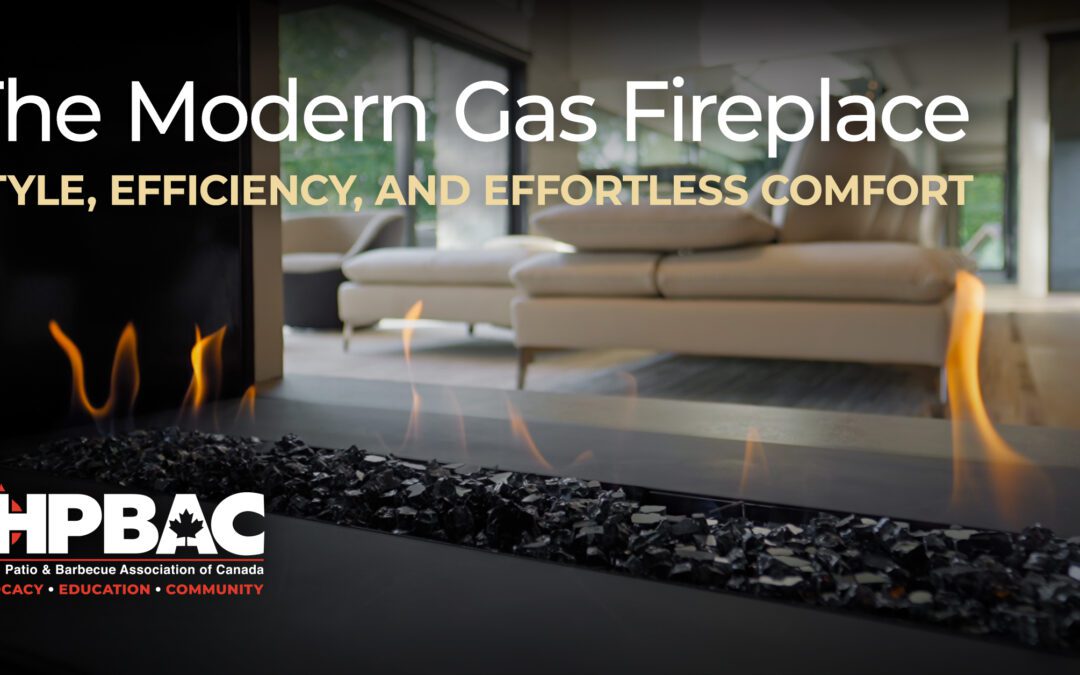
The Modern Gas Fireplace: Style, Efficiency, and Effortless Comfort

Gone are the days when gas fireplaces were simple metal boxes with a faint orange glow. Today’s models offer sleek design, high performance, and effortless comfort  – all at the touch of a button. Behind that innovation is a strong North American industry that has remained committed to local manufacturing, delivering superior craftsmanship and supporting Canadian communities.

What Sets Modern Gas Fireplaces Apart

Advances in burner technology, flame presentation, and heat control have transformed the experience. Today’s models deliver the beauty of a real flame with consistent, controllable heat and modern convenience.

Key Advantages of Modern Gas Fireplaces:
  • High Efficiency:
    Many models achieve tested efficiencies of 70–85%, keeping more heat inside your home instead of sending it up the vent.
  • Zone Heating:
    Warm only the rooms you use most, reducing overall energy consumption and utility costs.
  • Reliable in Outages:
    Many models continue to provide heat during a power outage, offering dependable comfort when you need it most.
  • Built to Last:
    With regular professional maintenance and proper operation, a quality gas fireplace can provide decades of reliable, efficient heat.
  • Design Flexibility:
    Frameless, see-through, corner, and linear models integrate seamlessly into both classic and contemporary interiors. Realistic ceramic logs, stones, or glass media complete the look.
  • Smart Control:
    Wi-Fi connectivity, programmable thermostats, and voice assistant compatibility make operation simple and intuitive.

Built for Comfort and Performance

Modern gas fireplaces are engineered for consistent, dependable performance and safe operation. Direct vent technology has largely replaced older B-vent systems, using a sealed combustion design that improves energy performance and protects indoor air quality. Many models are certified to meet or exceed current standards in Canada, offering peace of mind alongside warmth and style.

Where to Install a Modern Gas Fireplace

Gas fireplaces can be installed in far more places than traditional units. With direct venting through an exterior wall, homeowners can enjoy their warmth and glow in:

  • Open-concept living areas
  • Primary bedrooms and bathrooms
  • Finished basements or dens
  • Condos and smaller spaces where venting flexibility is key

Some designs even serve as elegant room dividers or architectural focal points.


Whether you’re creating a cozy retreat or a striking centerpiece, a modern gas fireplace offers the perfect blend of comfort, design, and technology. Easy to operate and built for today’s homes, it’s a stylish way to enhance any space.

Discover the warmth and style of modern gas fireplaces – visit your local hearth dealer today.

The New Generation of Wood Stoves: Clean Heat and Classic Comfort

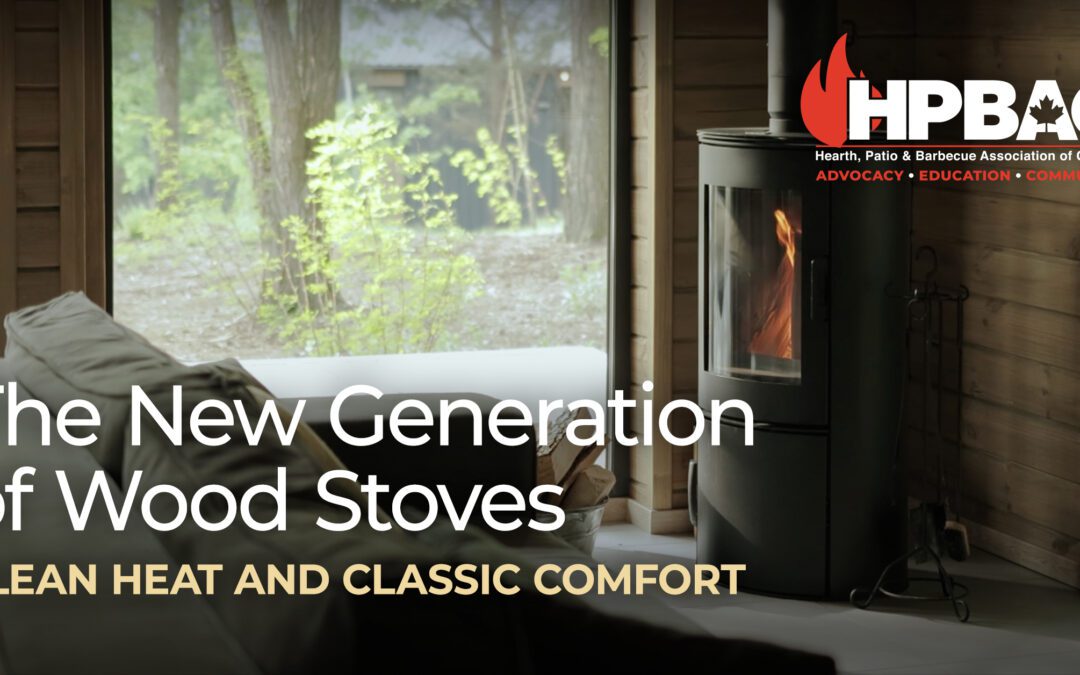
The New Generation of Wood Stoves: Clean Heat and Classic Comfort

Wood stoves have long been known for their rustic charm – but newer designs offer much more than nostalgia. Today’s EPAcertified models combine high efficiency and clean performance with modern style, making them a smart choice for sustainable heating without compromise.

What’s Changed in Modern Wood Stoves?

Advances in combustion design and airflow management have transformed how wood stoves perform. These innovations allow stoves to burn hotter and more completely, converting more wood into usable heat while producing far less smoke and soot.

Key Improvements in Modern Models:
  • Higher Efficiency:
    Many EPA-certified wood stoves achieve tested efficiencies of 70–83%, compared to older models that wasted heat up the chimney. This means more warmth from less wood.
  • Certified Clean Burn:
    Modern stoves emit as little as 0.5-4.5 grams of particulate matter per hour, compared to 60 grams or more from older units – a significant reduction in emissions.
  • Longer Burn Times:
    Improved airflow lets you enjoy 8+ hours of steady heat on a single load, especially with properly seasoned wood.
  • Contemporary Styles:
    From classic cast iron to sleek steel designs with large glass viewing windows, today’s stoves complement both traditional and modern interiors.

Is Burning Wood Carbon-Neutral?

When sourced from sustainably managed forests, wood can be considered carbon-neutral, since the CO₂ released during combustion roughly equals the amount absorbed during growth.

Why Upgrade Your Old Stove?

Replacing an uncertified stove with an EPA-certified model can:

  • Cut emissions by over 90%
  • Reduce wood consumption
  • Improve indoor air quality
  • Qualify for energy efficiency rebates or incentives in some areas

Where Do Modern Wood Stoves Belong in Today’s Homes?

They’re not just for cabins anymore. With advanced safety features like airwash systems and catalytic combustors, modern wood stoves are now found in:

  • Suburban family homes as supplemental heat
  • Open-concept living spaces for cozy ambiance
  • Rural homes as backup heat during power outages

If you love the crackle of a real fire and the independence of wood heat, modern wood stoves deliver that charm without the downsides. They’re cleaner, safer, and far more efficient than ever before, making them a stylish, sustainable way to heat your home.


Ready to upgrade? Visit your local hearth dealer to see today’s clean, efficient wood stoves.

Preparing Your Home for a Power Outage:  Heating, Cooking, and Staying Safe

Preparing Your Home for a Power Outage: Heating, Cooking, and Staying Safe

Living in Canada, we’ve all experienced a bad winter storm—freezing temperatures, piles of snow, and sometimes, power outages that can last for days. Is your home ready to handle one?


Be Prepared: Essential Supplies

During a power outage, you’ll want to ensure you can keep your family fed and at least part of your home warm. Here are some basics to have on hand:

  • Water: Store at least 2 litres per person, per day, for up to 72 hours.
  • Non-perishable food: Stock up on canned goods, dry snacks, and other items that don’t require refrigeration.
Plan Ahead for Emergencies

To make the most of your fireplace and barbecue during a power outage, preparation is key.

  • Create a supply kit: Include firewood, matches, a fire extinguisher, extra propane or charcoal, and a first-aid kit.
  • Install safety equipment: Carbon monoxide detectors and fire alarms are crucial when relying on fireplaces or barbecues.
  • Have a backup cooking plan: Stock non-perishable foods that can be cooked easily on a grill.


Heating Your Home Without Power

Whether you’re using a gas or wood-burning appliance, safety should always come first.

  • Never leave a fire unattended.
  • Ensure proper ventilation to avoid carbon monoxide buildup, especially with gas fireplaces.
  • Use a sturdy screen or glass doors to prevent sparks from escaping.

Gas Fireplaces, Stoves, and Inserts

Gas appliances are excellent secondary heat sources during power outages. Many models are designed to operate without electricity, either by generating their own power or using a battery backup.

Tips for Gas Appliances
  • Check whether your gas appliance has a battery backup – if not, consider adding one to your setup.
  • Install fresh batteries before every heating season.

Wood Fireplaces, Stoves, and Inserts

Wood heating appliances are another reliable option. They produce radiant heat that can warm your living spaces for days.

Tips for Wood Heating Appliances
  • Keep an adequate supply of seasoned firewood.
  • Use non-electric fans designed for woodstoves to circulate heat. These fans are powered by the heat from the stove itself.
  • Keep your chimney clean and in good working condition to avoid smoke buildup or fire hazards.


Cooking Without Electricity

Using Your Wood or Gas Stove

Many wood and gas stoves can double as cooking appliances. They can heat food or water on top of the stove, and some models even include additional features like ovens or water reservoirs.

Tips for Cooking on Stoves
  • For models with a trivet, remove it to place pots directly on the inner top for better heat conductivity.
  • Use a thermometer to monitor cooking temperatures.
  • Practice cooking on your stove ahead of time to understand how to manage heat.
Cooking with a Wood Stove
  • High Heat: Build a large, steady fire.
  • Low and Slow: Add one or two pieces of wood at frequent intervals for a long, steady burn.
  • Cooking on Coals: Let the fire die down to a bed of coals and use a Dutch oven or foil packets for even cooking.

Using Your Barbecue

A barbecue is another valuable tool for preparing food when the power is out—but remember, never use a barbecue indoors due to the risk of carbon monoxide poisoning.

Winter Grilling Tips
  • Allow extra time for food to cook, as outdoor temperatures can affect grilling.
  • Check out our article on Winter Grilling for more tips on using your barbecue effectively in cold weather.
Safety Tips
  • Always use your barbecue outdoors in a well-ventilated area, away from windows, doors, and flammable materials.
  • Never bring a barbecue inside—carbon monoxide poisoning is a serious risk.


Canadian winters can be unpredictable, but with the right preparation, you can keep your family warm, fed, and safe during a power outage. By maintaining your fireplaces and stoves, practicing your cooking methods, and having essential supplies ready, you’ll be well-equipped to weather any storm.

The Importance of Regular Chimney Cleaning: Protecting Your Home and Health

The Importance of Regular Chimney Cleaning: Protecting Your Home and Health

As the colder months approach and the warmth of a crackling fire becomes more appealing, it’s easy to overlook one essential task: chimney cleaning. Whether you use your woodstove or fireplace regularly or just occasionally, maintaining a clean and safe chimney is crucial for the safety and comfort of your home. Here’s why regular chimney cleaning should be at the top of your home maintenance list.


1. Prevent Chimney Fires

One of the most critical reasons for regular chimney cleaning is to prevent chimney fires. Over time as you use your appliance, creosote – a highly flammable substance – builds up on the inside the walls of your chimney. Creosote is a byproduct of burning wood, and even a thin layer of creosote can ignite and cause a dangerous chimney fire. A professional chimney cleaning removes this creosote buildup, significantly reducing the risk of fire.

2. Improve Air Quality

A blocked or dirty chimney can lead to poor indoor air quality. Soot, debris, and animal nests can obstruct the airflow, causing smoke and dangerous gases like carbon monoxide to back up into your home. Carbon monoxide is a colourless, odourless gas that can be deadly in high concentrations. Regular chimney cleaning ensures proper ventilation, allowing harmful gases to escape and keeping your indoor air safe to breathe.

3. Enhance Fireplace Efficiency

A clean chimney helps your fireplace operate more efficiently. When the chimney is free from blockages and creosote, it allows for better draft, which means your fire will burn hotter and cleaner. This not only improves the heat output but also reduces the amount of wood you need to burn, saving you money on fuel and reducing your environmental impact.

4. Prolong Chimney Life

Routine chimney cleaning can help extend the life of your chimney. Creosote, moisture, and other debris can cause corrosion and damage to the chimney liner and masonry over time. By keeping your chimney clean and well-maintained, you can prevent costly repairs and ensure your chimney serves your home for years to come.

5. Avoid Unpleasant Odors

A dirty chimney can produce unpleasant odours, especially during the warmer months when it’s not in use. Creosote, soot, and moisture can create a strong, musty smell that permeates your home. Regular cleaning eliminates these odour-causing agents, keeping your home smelling fresh.

6. Identify Potential Issues Early

During your annual chimney cleaning, the WETT-certified chimney sweep will inspect your chimney for any signs of damage or wear, such as cracks, loose bricks, or deteriorating mortar. Early detection of these issues can prevent them from becoming more serious and expensive to fix. Regular cleaning ensures your chimney is always in good condition and safe to use.


When to Schedule Chimney Cleaning

Experts recommend having your chimney swept and inspected by a WETT-certified technician at least once a year, either in the spring or before the start of the heating season. However, if you use your fireplace or stove frequently, you may need more frequent cleanings. Additionally, if you notice any of the following signs, it’s time to call a WETT-certified professional chimney sweep:

  • Soot buildup: Visible soot or creosote on the chimney walls, rain cap or around the appliance.
  • Smoke issues: Smoke entering your home when you light a fire.
  • Strange smells: Unpleasant odours coming from the fireplace.
  • Poor draft: Difficulty getting a fire to start or stay lit.


Regular chimney cleaning is a simple yet vital step in ensuring the safety, efficiency, and longevity of your chimney and fireplace. By preventing chimney fires, improving air quality, and maintaining your chimney’s structural integrity, you can enjoy the warmth and ambiance of your fireplace with peace of mind.


Find a local specialty hearth retailer near you at hpbac.org/find-a-member.

Find a WETT-certified chimney sweep near you at www.wettinc.ca/search-wett.

In Quebec, contact APC for a certified technician near you at www.poelesfoyers.ca/trouver-un-professionnel.

Photo credit: Good Fellas Stoves and Chimneys

A Comprehensive Guide to Gas Fireplace Maintenance

A Comprehensive Guide to Gas Fireplace Maintenance

Gas fireplaces provide warmth, comfort, and ambiance to homes, making them a popular choice among homeowners. To ensure your gas fireplace continues to operate efficiently and safely, regular maintenance is essential. In this guide, we will walk you through the steps required to keep your gas fireplace in top-notch condition.

1. Safety First

Before you begin any maintenance, ensure your gas fireplace is turned off and cool, and the gas supply is shut off at the main valve. Safety should always be your top priority.

2. Cleaning the Exterior

Start by cleaning the exterior of your gas fireplace. Dust and debris can accumulate on the surface, affecting its appearance. Use a soft cloth or a vacuum cleaner with a brush attachment to remove dirt and dust. For stubborn stains, use a mild, non-abrasive cleaner.

3. Inspect the Glass Front

The glass front of your gas fireplace can become cloudy or develop deposits over time. To clean it, follow these steps:

  • Ensure the fireplace is cool.
  • Remove the glass front according to your manufacturer’s instructions.
  • Clean the glass with a gas fireplace glass cleaner, ceramic cooktop cleaner, or a mixture of vinegar and water.
  • Dry the glass thoroughly before reinstalling it.

4. Check the Burner and Ignition System

The burner and ignition system are crucial components of your gas fireplace. Here’s how to inspect and maintain them:

  • Remove the logs or artificial embers to access the burner.
  • Clean the burner and pilot assembly using a soft brush or compressed air to remove dust and debris.
  • Inspect the ignition system for signs of wear or damage. Contact a professional technician to have worn-out components replaced.

5. Examine the Venting System

A well-maintained venting system is essential for the safe operation of your gas fireplace. Check for obstructions or debris in the vent pipe, and make sure it’s properly sealed. If fireplace is direct vented through the wall, inspect the outside sidewall terminal and ensure it’s clear of debris or overgrown shrubbery.

6. Clean the Firebox and Logs

The interior of your gas fireplace can accumulate soot and debris over time. Here’s how to clean it:

  • Turn off the gas supply and allow the fireplace to cool completely.
  • Remove the logs or artificial embers.
  • Use a soft brush or vacuum cleaner with a brush attachment to remove soot and debris from the firebox.
  • Clean the logs or embers with a soft brush or a damp cloth.

7. Inspect the Gas Lines and Connections

Visually inspect the gas lines and connections for any signs of damage or leaks. If you suspect a leak or find damaged components, contact a professional technician immediately.

8. Replace Batteries

If your gas fireplace has a battery-operated remote control or ignition system, replace the batteries with quality alkaline batteries annually. This ensures that your fireplace functions smoothly.

9. Annual Professional Inspection

While regular maintenance is crucial, it’s also essential to have a professional technician inspect your gas fireplace annually. They can identify and address potential issues that may not be visible during routine maintenance.

By following the steps outlined in this guide and scheduling an annual professional inspection, you can enjoy the warmth and comfort of your gas fireplace for years to come. Remember that safety should always be your top priority, and if you’re ever unsure about any aspect of maintenance, consult a qualified technician. Find a service company specializing in fireplaces near you at www.members.hpbacanada.org/find-a-member.