Fireplaces: Not Just for the Living Room

Fireplaces: Not Just for the Living Room

Most fireplaces are usually in living rooms, family rooms and finished basements. But with the vast array of appliances now available on the market, more and more are being installed in bedrooms, dining rooms, kitchens, bathrooms and outdoors. A fireplace can serve as a focal point in a room, giving a space a warm glow and exuding luxury. They will also help decrease heating costs. Here are a few ideas.

Bathroom

A fireplace can add a sophisticated feeling to a master bath… and help you dry off after a leisurely soak. Build right into the tub surround to heighten a relaxing escape.

Kitchen

A fireplace will create a cozy atmosphere and really make your kitchen the family’s gathering place.

Dining Room

A fireplace will help create an intimate setting that stimulates conversation over dinner.

Bedroom

A fireplace in the bedroom is the height of luxury. Cozy up in bed while enjoying the ambiance and warmth of your fireplace.

In the Office

Heat up a workshop, study or artist’s studio with a fireplace.

Double-Duty

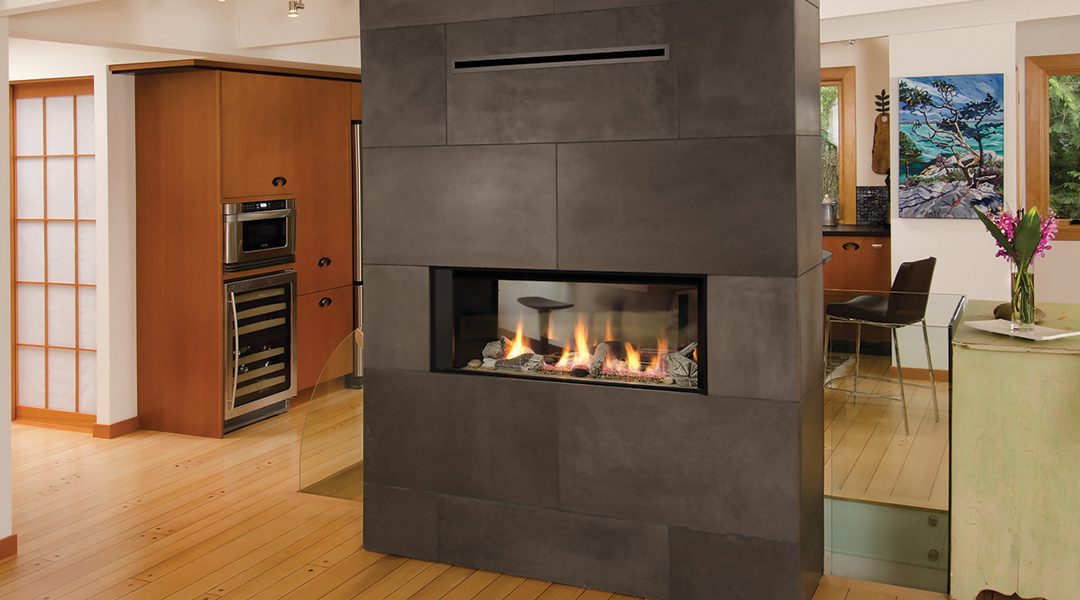
A fireplace situated between both the living areas and other spaces in the house can heat and be viewed from both rooms. Create a division between rooms such as the kitchen and an adjacent dining area. Add luxury with a double-sided fireplace between the bedroom and bathroom.

Outdoor Living Space

Fireplaces with a seating area help create the feeling of an additional room, and are a perfect place to entertain on a chilly evening. Add one near the pool or on the deck to encourage evening parties and make the most of your outdoor space.

There are many different fireplace options out there, so when considering a fireplace for any room, ensure you consult a specialty hearth retailer to pick the right fireplace for your needs.
Be Prepared When the Power Goes Out

Be Prepared When the Power Goes Out

Living in Canada, we’ve all experienced a bad winter storm. Freezing temperatures, piles of snow and, every so often, the power goes out, sometimes for days. Is your home ready for a power outage?

Be Prepared

You want to be sure you can feed your family and heat your home, or at least zones within your home. Be sure to have enough water (2 litres per person, per day) and nonperishable food available for up to 72 hours.

Heating Your Home

Are you prepared for your furnace and stove to be turned off for an extended period of time? Luckily, there are many products available that don’t run on electricity. Gas fireplaces, stoves and inserts are great secondary heat sources, especially when the power is out. Gas hearth appliances are designed to operate during a power failure. Some generate their own electricity or have battery back-up systems. It’s important to know which system you have for circumstances such as this. If your gas appliance has a battery back-up, make sure you have installed new batteries before every heating season.

Wood fireplaces, stoves and inserts are also great alternative heat sources. Be sure to have an adequate supply of fuel on hand. The radiant heat these units produce can warm your living spaces for days when necessary. There are fans available for freestanding woodstoves that help distribute heat through the room and require no electricity. They use the heat of the wood stove to power the fan.

Cooking Without Electricity

Some wood or gas burning stoves can also be used for heating food and water on top of the stove. Some wood and gas models have a second top layer. To improve the heat conductivity on these stoves, place your cook pot directly on the inner top. If your model is equipped with a trivet, remove it to access the inner top and maximize the heat conducted from the stove top. Some cook stoves even include an oven or a water reservoir for cooking and washing. Ovens or Dutch ovens can also be purchased separately to allow for even cooking on a stove. Take care to ensure there is no risk of the pot tipping over. It’s a good idea to purchase a thermometer with these units to maintain the heat more easily while cooking.

Cooking on your wood stove does require some forethought to allow the stove to function properly. Unlike an electric stove top there is no dial to regulate the temperature.  You control the heat by the amount of wood you place in the stove and attention is required to manage the heat properly. For high heat, it’s important to establish a good, large fire. For slow cooking food such as chili, soup or leftovers, the fire should burn low and steady for a long time by adding only one or two pieces of wood at more frequent intervals. You can also let the fire die down to a bed of coals and cook foods in a small Dutch oven or a foil packet directly on the hot bed of coals. Practice cooking on your wood stove before a power outage occurs to give yourself a better idea of how your wood stove will heat and cook foods!

Use Your Barbecue (But Never Inside the Home!)

Another great appliance to use during a power outage is your barbecue. Although this may seem like a surprise to some, many grill owners continue to grill all year long. Although winter grilling takes a bit more time compared to grilling in the summer months, it is still a great way to prepare food – even when the power isn’t out. Check out our article on Winter Grilling.