
PRODUCT SAFETY
Safety tips for all hearth appliances
Hearth appliance refers to any combustion appliance including but not limited to; wood stoves, open fireplaces, prefabricated fireplaces, fireplace inserts, gas fireplaces, freestanding gas appliances, or pellet stoves.
Safe Setup
- Keep a fire extinguisher on hand and place smoke detectors throughout the house. Test the smoke detectors and batteries regularly. See that the extinguisher is in good working order and that all family members know how to operate it.
- Obtain a building permit prior to installing or replacing your hearth appliance, as required by the laws in your area.
- Advise your insurance company about the installation or replacement of your hearth appliance.
- Have your hearth appliance installed out of the way of foot traffic and away from furniture and draperies.
- To fully understand the necessary steps involved in proper operation, read the manufacturer’s instruction manual for your specific hearth product.
- If your hearth appliance is being installed in a home during construction or renovations, do not operate it until the area is thoroughly cleaned; drywall dust and other contaminants may harm the fan motors and burners.
Using Your Hearth Appliance
- Do not store combustible materials, gasoline or other flammable liquids near your hearth appliance.
- Never leave a child alone in a room with a hearth appliance. If your child is not in a playpen, an adjustable gate system that fits most hearth appliance areas can be installed which allows adult access to the hearth appliance but keeps kids outside in the safety zone. Alternatively the same kind of safety gate system can be used to cordon off the entire room to prevent your child wandering into the room alone.
Regular Maintenance
- Maintain your hearth appliance regularly in accordance with the manufacturers specifications, and industry best practices.

Supreme Astra 32TD Wood Fireplace
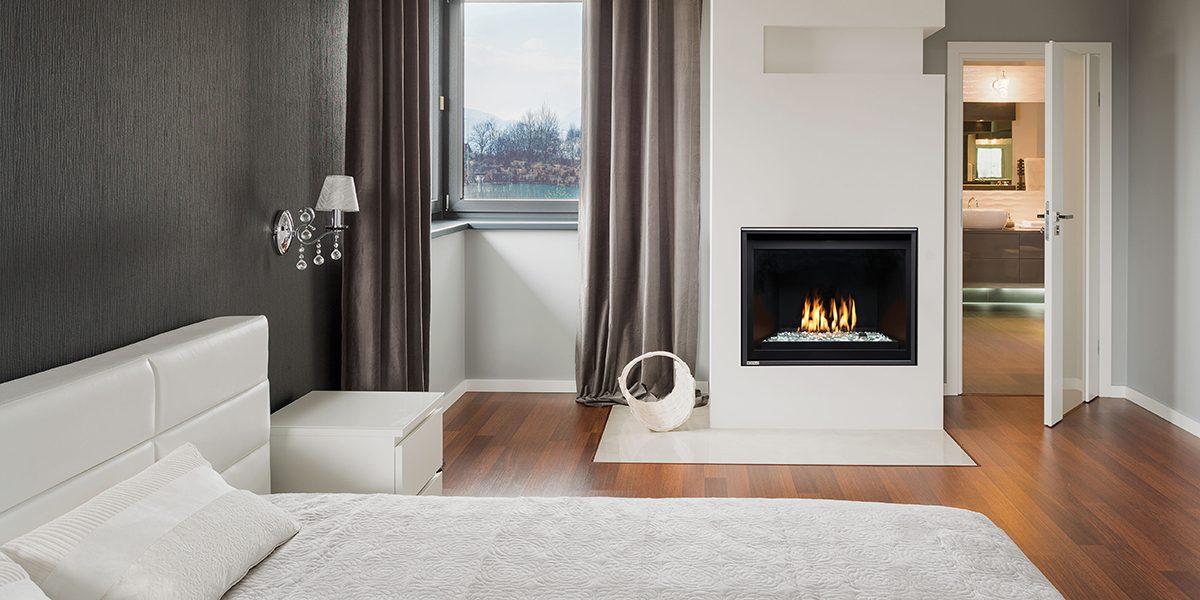
Montigo HLB34 Gas Fireplace
Gas Appliances
Each year, millions of people enjoy the warmth, comfort and utility of modern fireplaces. Today, many gas fireplaces, stoves and inserts have glass fronts to enhance the beauty of the fire. While gas fireplaces, stoves and inserts are a great asset to any home, glass fronts can become extremely hot during and even long after operation. Therefore, it’s important to remember, touching the hot glass front can lead to serious, irreversible burns. Below is information that will allow you to continue to enjoy the many benefits of your gas fireplace, stove or insert while providing an added level of safety against burns.
General Safety Tips
- Have a licensed gas contractor install and repair your gas fireplace, stove or insert.
- Follow the manufacturer’s instructions for operation, care and maintenance.
- Have a licensed gas contractor clean and inspect the appliance at the intervals recommended by the manufacturer.
- Check the vent regularly, following the owner’s manual, and keep the exterior vent clear of debris.
- Glass can become extremely hot and remain hot long after the appliance is turned off. Allow the appliance and glass to cool before anyone approaches.
- Remember that metal surfaces, including door frames and grilles, can also become hot.
- Do not operate the appliance if the glass is cracked or broken.
- Supervise children and pets around the appliance, even when a safety screen or barrier is in place.
- Keep remote controls out of children’s reach.
- Consider a switch lock to help prevent children from turning on the appliance. Ask the appliance manufacturer about suitable options.
Tips for Choosing Aftermarket Safety Products
- Start with your appliance’s manufacturer and model number. The manufacturer may offer a safety product specifically designed for your appliance.
- Before purchasing an attachable aftermarket screen, confirm that the appliance manufacturer approves it for your model. An incompatible screen could affect safe operation.
- Ask a hearth professional for help selecting a suitable product with the proper fit and placement.
- Choose a sturdy, stable barrier that a child or pet cannot easily move, remove or tip over.
- Follow both the appliance and safety product manufacturers’ instructions.
Visit HPBAC’s Find a Member directory to find a manufacturer or hearth specialty retailer.
Safety Mandate for New Glass Front Fireplaces
A safety standard effective January 1, 2015 requires newly manufactured glass-front gas fireplaces and heaters with glass surface temperatures above 172°F (approximately 78°C) to include a protective barrier. The barrier must be installed before the appliance is used and is designed to reduce the risk of burns from contact with hot glass.
Always use the barrier supplied or approved by the appliance manufacturer and follow the installation instructions.
Safety Products for Existing Gas Hearth Appliances
For an existing gas fireplace, stove or insert, a protective screen or physical barrier can help reduce the risk of serious burns by limiting direct contact with hot glass.
Safety products include:
- Attachable safety screens (above) fasten to the front of the appliance, creating a space between the screen and the hot glass. An incompatible aftermarket screen could affect safe operation. Before purchasing, confirm that the appliance manufacturer approves the screen for your specific model.
- Safety gates (top right) restrict access to the area around the appliance.
- Free-standing fireplace screens (bottom right) sit back from the appliance to help limit direct access to hot glass.
Contact your appliance manufacturer or a hearth specialty retailer for help choosing a suitable product. Proper fit, placement and stability are essential. Follow the appliance and safety product manufacturers’ instructions.
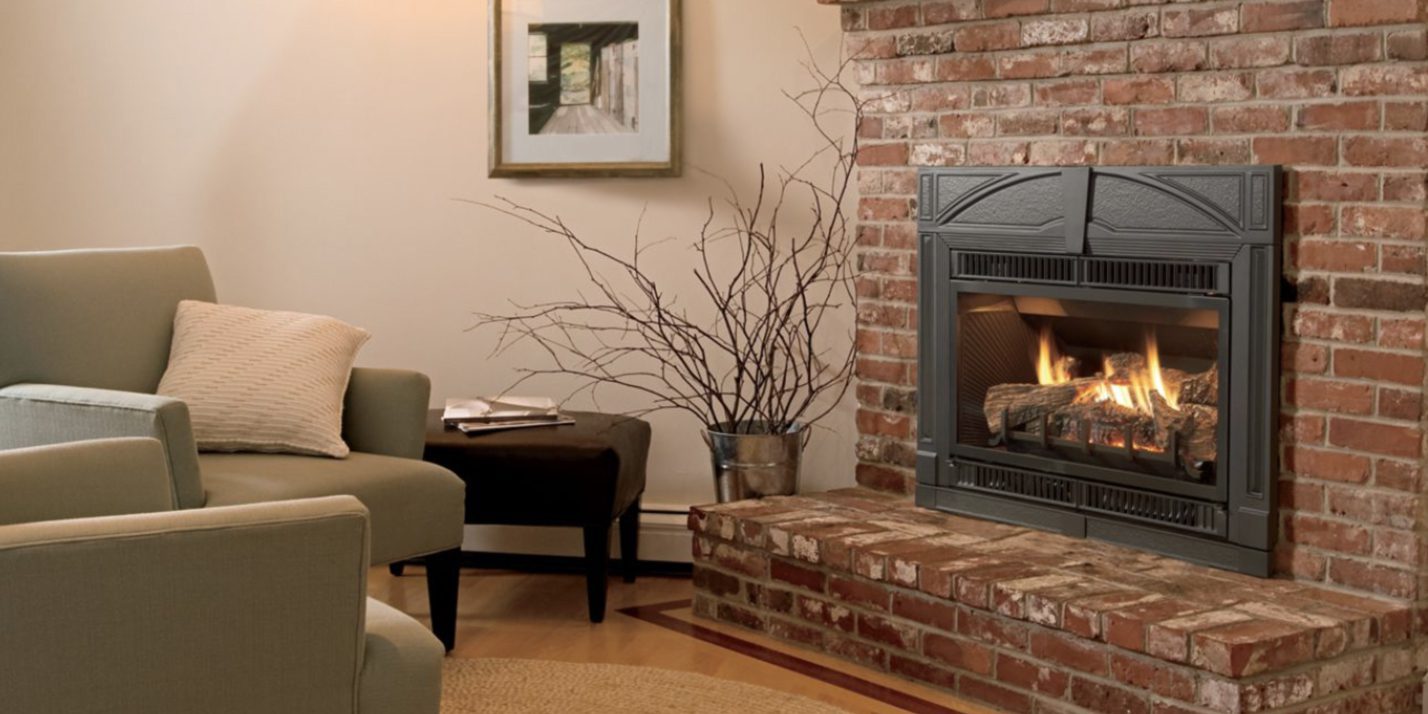
Jøtul GI 450 DV II Katahdin Gas Insert

Valor L3 Gas Fireplace
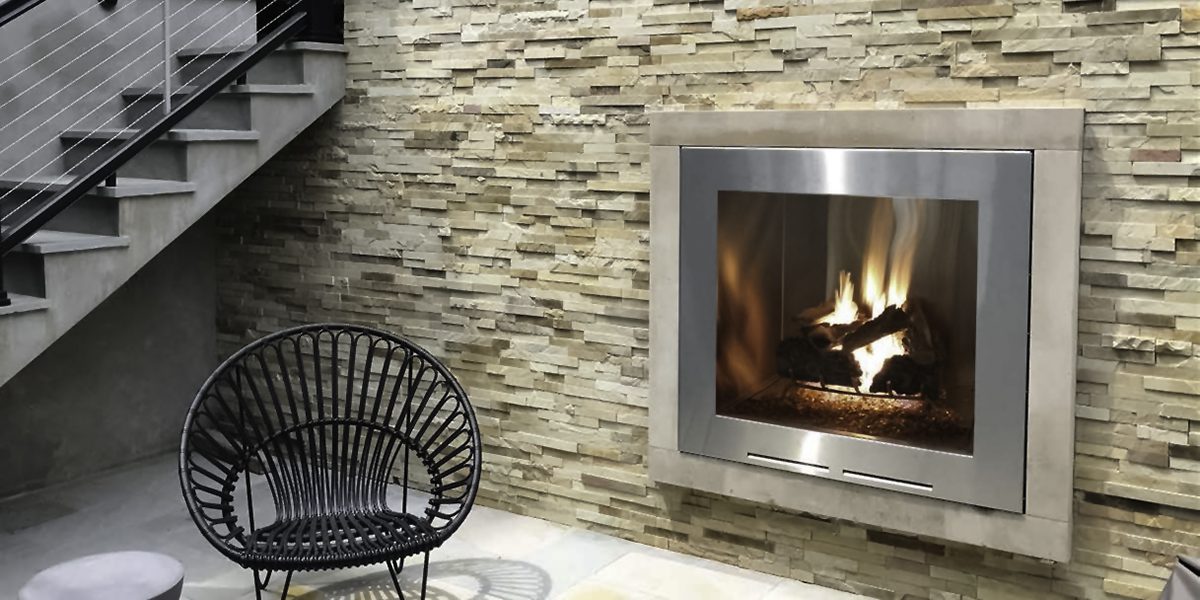
Woodbridge Algonquin Outdoor Gas Fireplace
Wood Heating Appliances
Whether it’s the warm glow of the fire, the crackle of the wood or the deep penetrating warmth, burning wood has a way of making people feel relaxed and right at home. When heating with wood, there are three key elements to achieve optimal economy, environmental responsibility, and efficiency.
Maintain Your Fireplace, Stove or Insert
-
Follow the manufacturer’s instructions for care, maintenance and operation.
-
Have a qualified professional inspect the appliance and chimney annually, including gaskets and door seals where fitted. Have the chimney cleaned as needed to remove creosote and obstructions.
-
Ask a qualified professional about a suitable chimney cap to help keep debris and animals out.
-
Install smoke and carbon monoxide alarms. Test them regularly and replace batteries and alarms according to their instructions.
-
Keep a fire extinguisher accessible and know how to use it.
-
Keep furniture, books, newspapers, firewood and other combustible materials away from the appliance. Follow the clearances specified in the owner’s manual.
Build a Proper Fire
-
Use dry, seasoned firewood, whether hardwood or softwood. Choose pieces that fit comfortably inside the firebox.
-
Remove excess ash according to the manufacturer’s instructions. Some appliances require a shallow ash bed.
-
For an open fireplace, open the chimney damper before lighting the fire. For a stove or insert, set the air controls as directed in the owner’s manual.
-
Start the fire with dry kindling and a firestarter suitable for your appliance. Never use gasoline or other liquid accelerants.
-
Use a grate only if the fireplace manufacturer recommends one.
-
Use a firescreen when operating an open fireplace. Follow the manufacturer’s instructions for glass-door position.
-
Keep the doors of enclosed wood-burning appliances closed during operation, except when loading or tending the fire as directed.
-
Use fireplace tools to tend the fire, and avoid overloading the firebox.
Operate Safely
-
Never leave an open fireplace fire unattended. Follow the manufacturer’s instructions for extended operation of a stove or insert.
-
Supervise children and pets, and keep them away from the appliance. Glass and metal surfaces can remain hot after the fire has gone out.
-
Burn only fuels approved for your appliance. Never burn garbage, plastics, charcoal, or painted, treated or glued wood. These materials can release harmful pollutants or damage the appliance.
-
Before going to bed or leaving home, make sure an open fireplace fire is fully extinguished. Never close its chimney damper while embers are still burning.
-
Place removed ashes in a metal container with a tightly fitting metal lid. Keep it outdoors on a non-combustible surface, away from buildings and combustible materials. Ashes can contain hot embers long after a fire appears to be out.
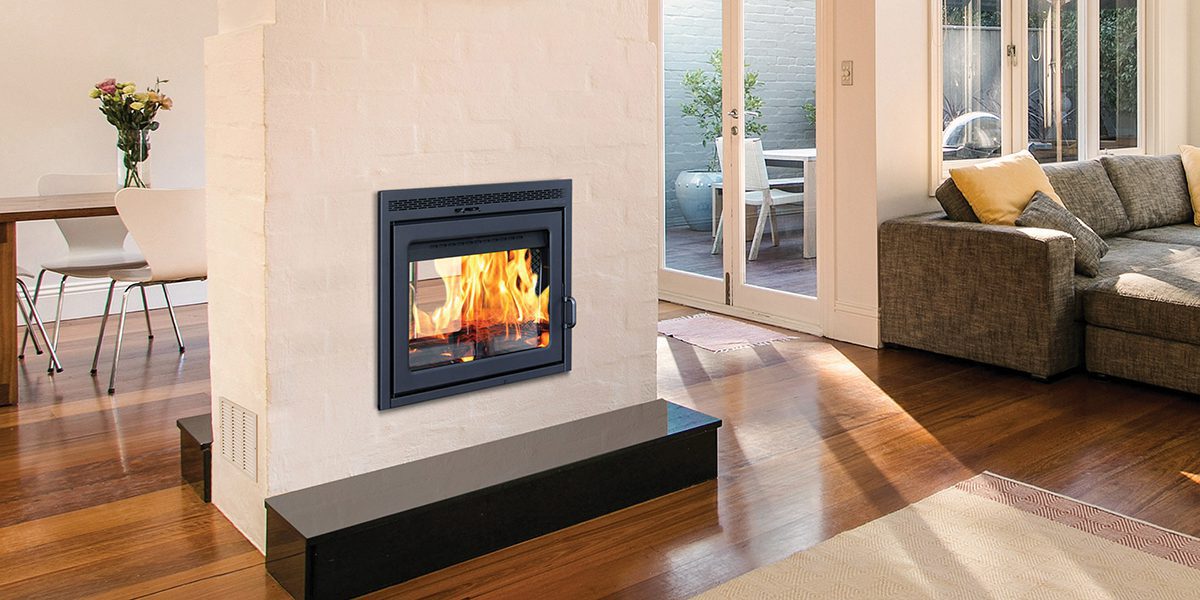
Supreme Duet Wood Fireplace
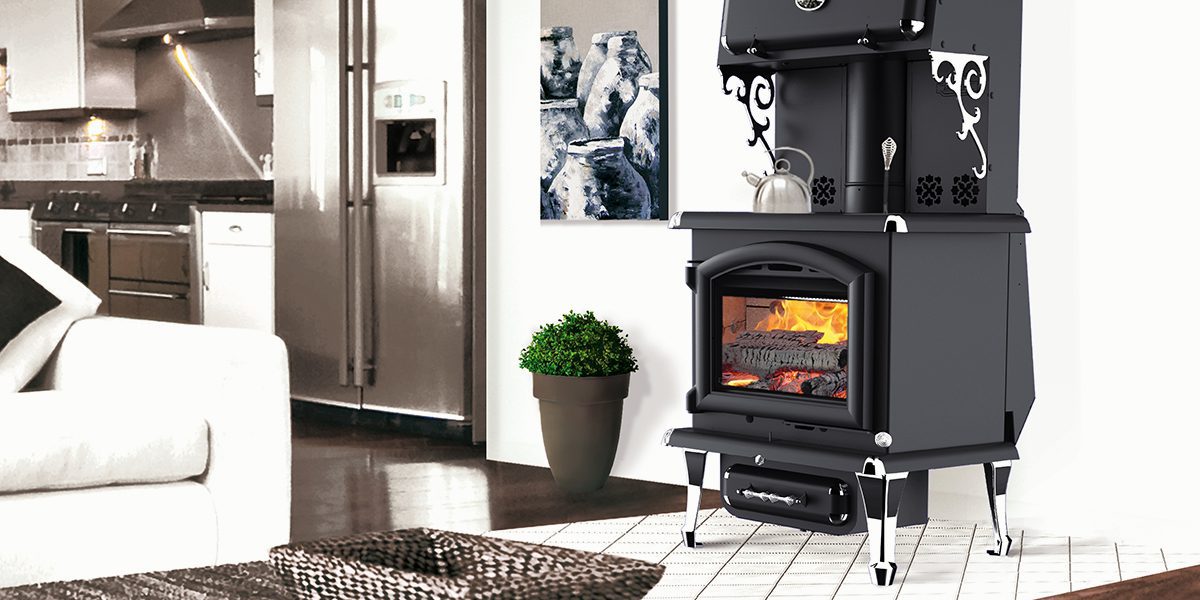
JA Roby Centauri Wood Cookstove

Renaissance Uptown 600 Wood Fireplace
TIPS FOR SAFE BARBECUING
Consumers’ love affair with grilling continues unabated, and for good reasons. They tell us they barbecue mainly because the food tastes good, but they cite other reasons too: it’s fun, it keeps the kitchen cool, it’s a great way to entertain at home… the list goes on. Following a few basic steps can help ensure safe, reliable operation of your outdoor cooking appliance, regardless of what type you use.
Set Up Your Grill Safely
- Choose a grill certified by a recognized independent certification body.
- Use outdoor grills and smokers only outdoors in a well-ventilated area. Never use them in a garage, tent or other enclosed space, where carbon monoxide can accumulate.
- Follow the manufacturer’s clearance requirements. Keep the grill away from buildings, combustible materials, deck railings and overhanging branches.
- Place the grill on a stable, level surface suitable for the appliance, and make sure all parts are securely installed.
- Follow the electrical safety instructions for powered accessories. Use a suitable outdoor extension cord where permitted, and keep cords away from hot surfaces and walkways.
Grill Maintenance
- Inspect and clean the grill before the first use of the season and regularly throughout the year.
- Remove grease buildup from cooking surfaces, burners and drip trays.
- Clean burner ports and air-inlet tubes according to the manufacturer’s instructions. Insects and debris can obstruct gas flow.
- Inspect hoses, connections and seals for wear or damage. Have damaged components replaced before using the grill.
- If the cylinder connection has an O-ring or seal, check it whenever you connect the cylinder. Do not use the connection if the seal is missing or damaged.
Cook Safely
- Never leave a lit or hot grill unattended, and never move it while it is hot.
- Keep children and pets at least three feet (approximately one metre) away. Keep the surrounding area clear of play and other activities.
- Use long-handled utensils and heat-resistant barbecue mitts.
- Keep loose clothing and apron strings away from heat and flames.
- Follow the manufacturer’s instructions for managing flare-ups. If safe, move food away from the flames and reduce the heat.
- Never use water on a grease fire. Keep a suitable fire extinguisher accessible and know how to use it. If a fire grows or you cannot safely control it, move everyone away and call 911.
- Allow the grill to cool completely before covering, cleaning or storing it.
Use Gas Grills Safely
- Open the lid before lighting. Follow the manufacturer’s procedure for ignition or match-lighting, and never lean over the grill.
- If the grill fails to light or the flame goes out, turn off the gas and burner controls. Keep the lid open and wait at least five minutes, or longer if specified by the manufacturer, before trying again.
- If flames look abnormal or the grill is not operating properly, stop using it and have it checked by a qualified service technician.
- Keep grease away from hoses and propane cylinders.
- After cooking, turn off the gas supply and burner controls according to the manufacturer’s instructions. Confirm that the flames are out.
- If you smell gas while cooking, move away from the grill and call the fire department from a safe location. Do not move the grill.
Check for Gas Leaks
- Test for leaks as directed by the manufacturer, including after connecting a propane cylinder. Never use a flame to check for leaks.
- With the burner controls off, apply a suitable leak-detection solution or soapy water to the connections specified in the instructions.
- Open the cylinder valve as directed. Growing bubbles indicate a leak.
- If bubbles appear, close the cylinder valve. Do not use the grill until a qualified service technician has corrected the problem and a repeat test confirms there are no leaks.
- If gas continues to escape after the valve is closed, move away and call the fire department.
Handle and Store Propane Cylinders Safely
- Store cylinders outdoors, upright and secured against tipping, in a well-ventilated area. Never store them in a building or garage.
- Keep spare cylinders away from the grill and other sources of heat or ignition.
- Do not use a cylinder with visible damage, significant rust, corrosion or signs of leakage. Have it checked by a propane supplier.
- Standard refillable steel barbecue cylinders in Canada generally require requalification or replacement every 10 years. Check the manufacture or latest requalification marking, and ask your propane supplier if you are unsure.
Charcoal Grill Safety
- Follow the manufacturer’s requirements for clearance and supporting surfaces. Keep the grill away from combustible materials.
- Avoid grilling in high winds, which can spread sparks and embers.
- Use a charcoal chimney starter or another lighting method approved by the manufacturer.
- If using starter fluid, use only fluid intended for charcoal. Never add it—or any other flammable liquid—to burning or hot coals.
- Empty the grill and ash catcher only after the coals and ashes have cooled completely.
Disposing of Charcoal Ash
- Allow coals and ashes to cool completely before handling or disposal. They can retain heat long after cooking has finished.
- Place cooled ashes in a metal container with a metal lid, kept outdoors on a non-combustible surface away from buildings and combustible materials.
- Follow your municipality’s instructions for final disposal. Do not assume lump charcoal ash belongs in compost or that every community uses the same garbage collection system.
- Take unwanted charcoal lighter fluid to a household hazardous waste collection service, following local instructions.
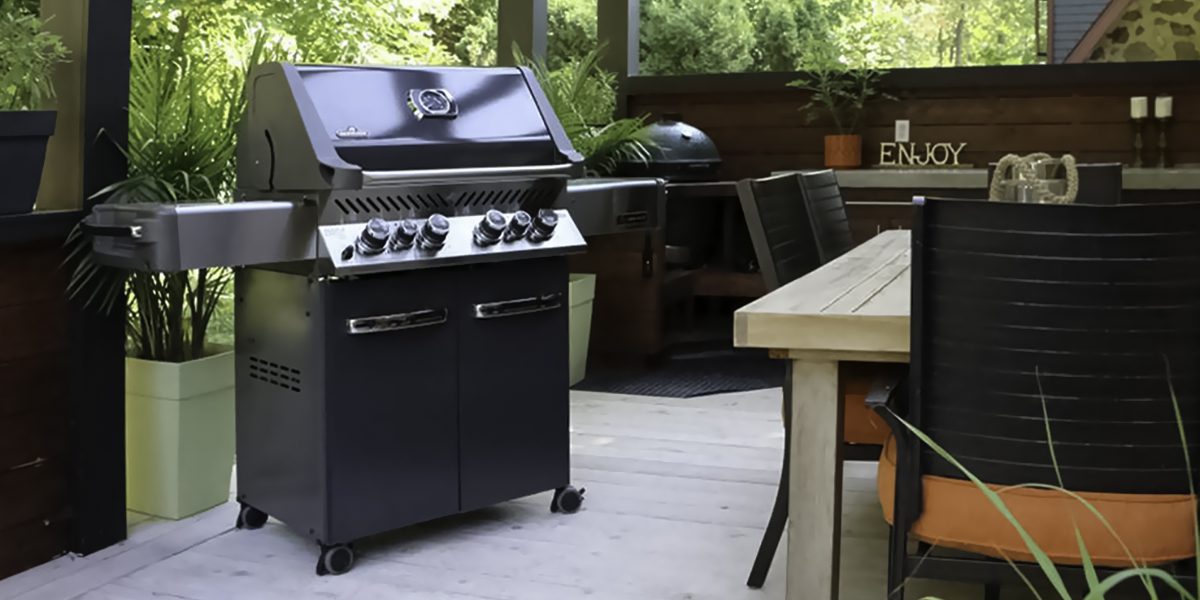
Ambiance 500 Gas Grill by Napoleon
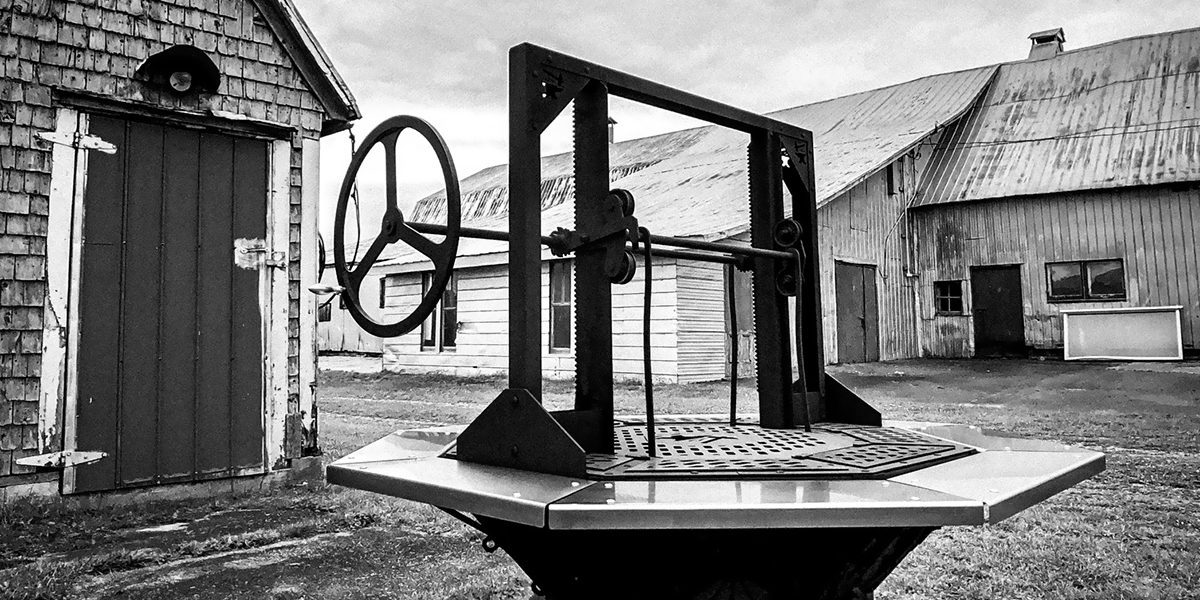
Hamrforge El Padre Fire Table, Raclette & Charcoal Grill

Savannah Big Green Egg Kamado Grill
GRILL BRUSH SAFETY
If you use a wire brush to clean your grill, be aware: small, sharp bristles can break off as you’re cleaning and get stuck to your grill’s cooking surface. The next time you grill, those stray bristles may adhere to food and be accidentally ingested, causing major damage to your intestines or stomach. If you do opt to use a brush with bristles to clean your grill, please follow these safety tips.
Grill Brush Safety Tips
- In many ways, grill brushes are like toothbrushes. When you see the bristles beginning to flatten or lose their efficacy, it’s time to replace.
- Apply the “tweezer test”: take a pair of tweezers, randomly select five to 10 bristles and gently pull – if any bristles come off, it’s time to replace.
- We don’t recommend not leaving grill brushes exposed to the elements when not in use. The rain, sunlight, humidity, snow, etc., can age them prematurely.
- Clean your brush regularly. Soak in soapy water (if desired, add olive oil to keep bristles supple) for 2 minutes, and place facedown or hang to dry properly.
- Above all, treat your grill brush just as you would any part of your grill and grilling environment: Follow manufacturers’ instructions and continuously inspect before and after using.
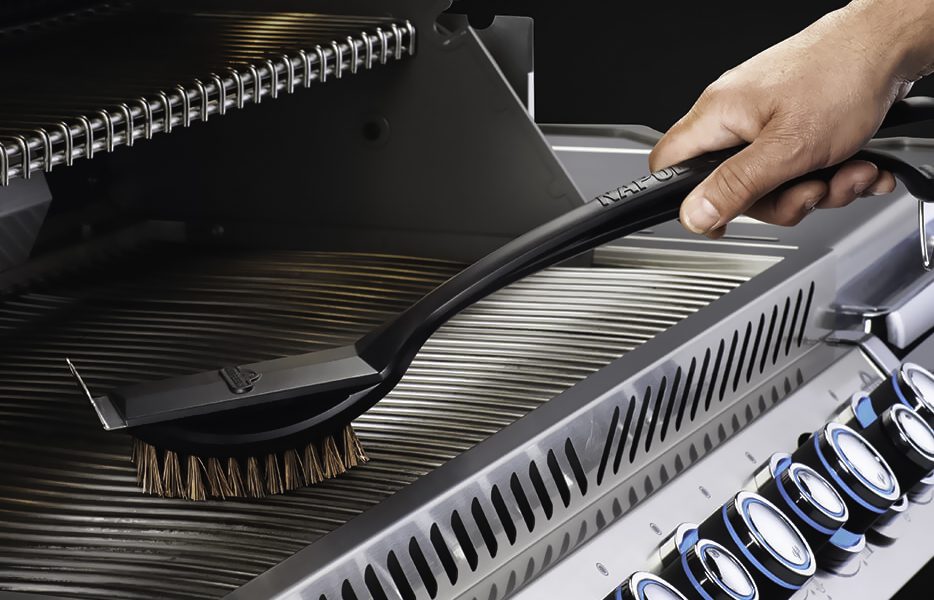
Napoleon Natural Fiber Grill Brush