Prepping for Winter

Prepping for Winter

Canadians understand how important heat is in the winter. As we head into fall, there are a few things you need to do in the coming weeks to prepare for the winter months.

Whether you burn logs or gas, it can be dangerous to light a fireplace until certain things have been done or checked.

Here is a checklist that can provide assurance when the time comes to get cozy near a safe, blazing fire. Check your smoke and carbon monoxide detector and have a fire extinguisher close to the appliance. Clear the area around the fireplace of any potentially flammable materials – 3 feet away is a good rule.

Woodburning Fireplaces and Stoves

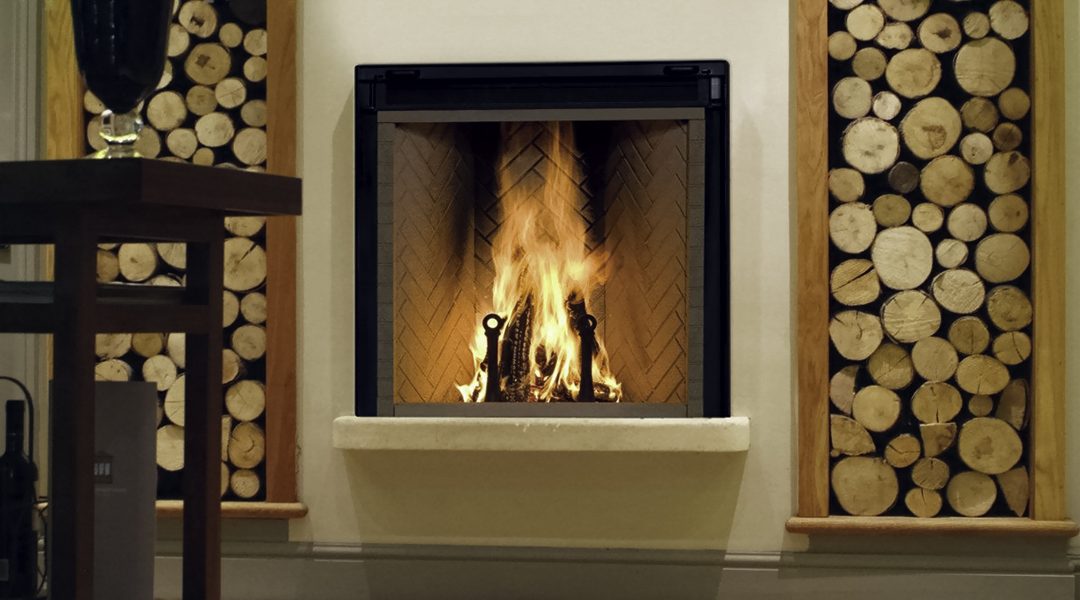
Experts recommend that fireplaces, wood stoves and chimneys be inspected annually. Clean chimneys help fireplaces and stoves run more efficiently and safely. Soot and creosote may adhere to the inside and can cause a fire because they are highly flammable.

  • A yearly chimney sweep ensures the whole system is in good working condition. Professionals will also check the condition of your flue lining. Even a small crack in the flue can cause a house fire.
  • Chimney structures are out of sight, but they should not be out of mind. When mortar is damaged or when bricks are loose or cracked, there is a good chance moisture has entered your chimney system. Moisture damage should be repaired as quickly as possible, to minimize the amount of damage done.
  • If there is not already a cap on your chimney, have one installed as soon as possible. Chimney toppers serve several important functions, particularly when they have wire mesh. Chimney caps keep moisture out, keep critters out, and help to prevent fires when they have a mesh spark guard that will extinguish embers that might otherwise fly from the chimney.
  • Stock up with the right fuel. Have your firewood stored, dried, and ready to burn. The type of firewood you burn determines the quality of your fire and how much flammable creosote is deposited in the chimney. Seasoned hardwoods burn longer than softwoods. If you don’t want a lingering fire, softwoods are the better choice because they don’t leave smoldering wood coals behind.

With some quick annual maintenance, you can maintain or even improve your stove’s efficiency this winter – you might even burn less wood.

Pellet Stoves

Experts also recommend pellet stoves have a yearly maintenance check that will include:

  • Cleaning the exhaust piping and venting
  • Removing the combustion and distribution fans, then vacuuming out all the ash and soot
  • Cleaning behind the inner firebox panels, top heat exchange panels, firewall panels and any ash traps
  • Double-checking the gasket on the firebox door
  • Cleaning the firepot and the hopper carefully, removing any ash, bits of pellet or pellet dust
Gas Fireplaces

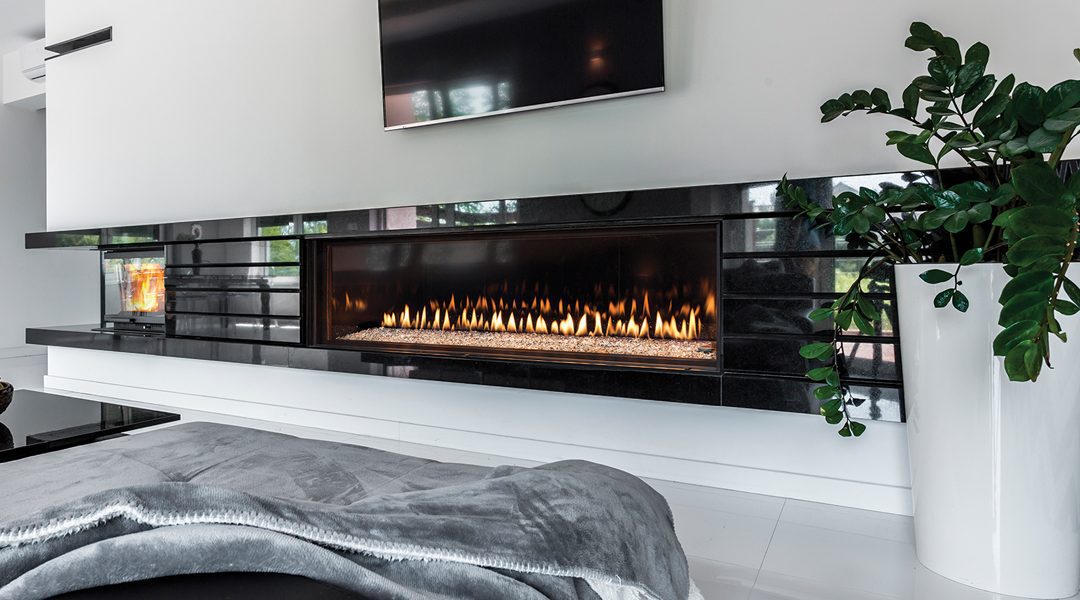
There is nothing easier than a gas burning fireplace or insert. There’s no ash to clean up because it burns natural gas or liquid propane but don’t assume this means it doesn’t need cleaning. In fact, it is still recommended you have a certified gas technician inspect and clean your gas fireplace to ensure your safety. The technician will first inspect the exterior to ensure glass is not chipped, cracked, or dirty, and the framework is holding up sufficiently.

  • While checking for dents or debris, the technician will also look at the interior gas ignition under the log structure and make sure it is lighting flawlessly. They also make sure your log set is not deteriorating in any way.
  • The face of the unit will have to be taken off, so they can inspect the valves and connections underneath your fireplace or insert. They will make sure your fireplace’s heat output is correct, and clean up any residue that has started to block any ports or vents.
  • After a routine check, your technician should make sure you have working carbon monoxide detectors, and that you are aware of any repairs your gas fireplace may need.

Certified gas technicians have a wealth of information and will be happy to answer any questions you may have about your fireplace or insert. Don’t be afraid to ask.

Winter Grilling

Winter Grilling

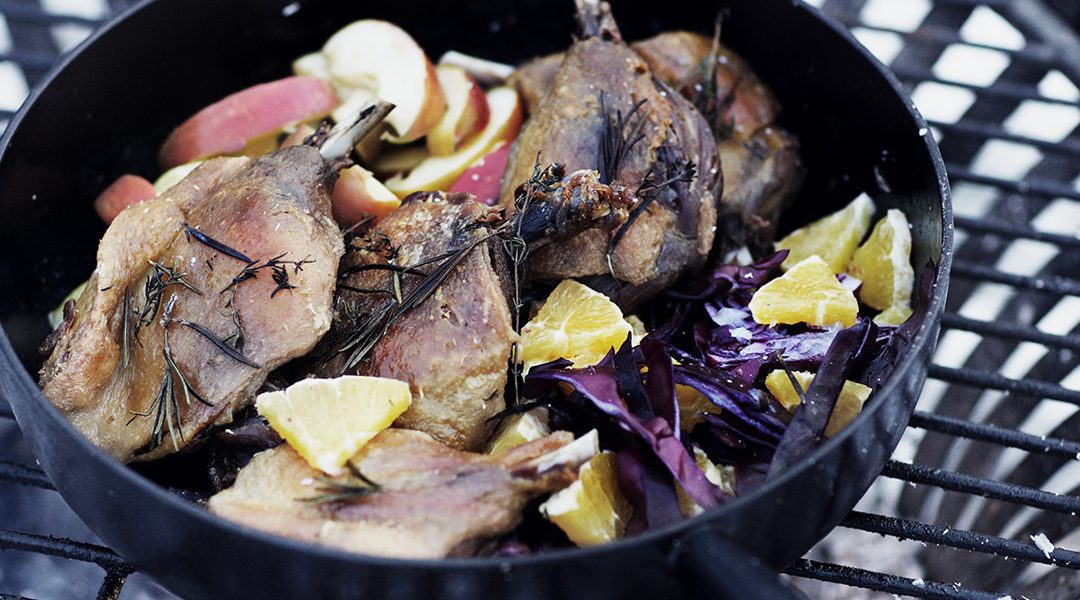
Barbecue season doesn’t end when there is snow on the ground. It not only takes us back to our roots as Canadians but can be a nice treat when you’re feeling those winter blues.

Winter grilling works best on two types of barbecues. The first is a gas grill that has a cook box made of double-walled steel or cast aluminum. The other is a ceramic charcoal barbecue. They are great at holding in the heat in cold temperatures.

Infrared barbecues are a growing trend. They can be especially good in winter when propane doesn’t flow well, natural gas doesn’t heat up fast enough, and charcoal is too much work. They use burning gas to heat ceramic burners through thousands of microscopic flame ports. The ceramic burners absorb the heat, then glow and emit infrared energy, which cooks food with the same intense, dry heat that charcoal does. But unlike charcoal, an infrared model heats up fast, doesn’t add ash to your food and distributes its heat with absolute regularity.

10 Tips For Winter Grilling
  • Invest in a grill cover if you don’t already have one. This will keep snow and ice off the barbecue and allow you to get grilling with the least amount of hassle. When possible, make sure your barbecue is shielded from the wind to help it heat up quickly and to maintain the desired cooking temperature. However, you should always keep the barbecue 10 feet away from your house or any flammable structure or overhang.
  • Never barbecue in your garage or any enclosed space. This is a fire hazard, and there is also the risk of carbon monoxide poisoning. Carbon monoxide is a colourless, odourless and tasteless by-product of burning fuel incompletely and can build up quickly in an enclosed area without your knowledge.
  • Take time to put on boots, a coat and a toque. If you’re underdressed, chances are you’re going to rush and be careless. Snow gloves are designed for cold, not heat, and can melt if brought too close to a hot barbecue. Many types of snow parkas are also not meant for exposure to extreme heat or open flames, so be very careful not to get too close and keep sleeves away. Don’t wear anything that could dangle into or over the grill – that means scarves are out.
  • Have lots of fuel. There’s nothing worse than running out of fuel halfway through grilling. In cooler temperatures, you lose heat more quickly and use more fuel to keep your grill hot. Your barbecue may use an extra 20-30% of fuel to help get up to and maintain temperatures.
  • Watch for critters. Some animals will crawl into barbecues in the winter and hole up. Give your grill an inspection before you start.
  • Some electronic igniters do not perform well in cold weather. Keep a barbecue lighter handy just in case. If the control knobs are stiff or difficult to turn, do not force them because it is much easier to break off the knob or damage the valve stem in freezing temperatures. Light only the burners for which you can freely turn the control knobs and preheat the grill with a closed lid until the rest of the control knobs turn freely. If you can’t turn any of the control knobs, position the grill away from the wind in a sunlit area to help them free up.
  • Make sure all your tools are in place before lighting the grill. A grill light, clip-on light or headlamp can be one of the most useful barbecue accessories in winter. It will definitely help to make sure your medium-rare steak doesn’t end up charred beyond recognition. Get your tongs, a bottle of water and you might want to have a fire extinguisher ready. In cool weather grease can pool on the bottom of your grill and catch fire. Be prepared for flare-ups.
  • Preheat the grill at a higher setting than you normally would. Your gas grill will need to be on a higher setting to reach the same cooking temperature under more moderate conditions. Preheat your serving platter as well so when you’re ready to take your food off the grill you can bring out the warm plate and ensure your food doesn’t cool too quickly.
  • Keep the top lid closed as much as possible. Every time the lid is opened heat escapes and the grill has to heat up again, which will ultimately increase cooking time. Invest in a digital thermometer. Bluetooth-enabled thermometers that send the temperature measurements right to a phone or laptop give you the chance to take shelter inside and monitor your meat at the same time. Always keep an eye on the barbecue though because flare ups can still occur in cold weather.
  • To keep in the heat, the best foods for grilling in winter are either foods that grill really quickly or low and slow-cooking foods that require very little attention. This will reduce your need to lift the lid.
Flow Limiting Device

You’re more likely to accidentally activate the Flow Limiting Device (a safety feature that limits the flow of gas in the event of a leak) in cold temperatures.

Here’s how to avoid activating the Flow Limiting Device when grilling in the winter:

  • Slowly open the gas tank no more than half a turn.
  • Wait 30 seconds after opening the gas tank before opening the main control knob and lighting the grill. This will allow time for the gas pressure to equalize, thus reducing the likelihood of triggering the Flow Limiting Device (FLD).
  • If you’ve accidentally activated the FLD, you might experience low heat and/or low flames. If you think you may have accidentally tripped the FLD, read how  to reset it in the manual.
Recipe Ideas For Winter Grilling

Slow Cooking in the Winter
Gently smoked pork butt with a sweet/spicy rub, a classic beer-can chicken, juicy rib-eyes, a roast of pork or beef, or pulled pork or brisket.

Seafood Grilling
Clams and oysters are at their peak in the winter months and can be popped open on a hot, smoky grill. A generous spread of cilantro chili butter and a squeeze of lime is a taste of milder seasons. Dungeness crab is also at its best in winter. If you’re partial to chilled crabs, a quick toss into a handy snowbank after a turn on the grill is a quick and excellent way to cool them down.

Quicker Grill Options
Spatchcocked chicken (this method helps to cook the chicken faster and more evenly), kebobs, pizza, thin pork chops or steak, or butterflied chicken breast.

Fireplaces: Not Just for the Living Room

Fireplaces: Not Just for the Living Room

Most fireplaces are usually in living rooms, family rooms and finished basements. But with the vast array of appliances now available on the market, more and more are being installed in bedrooms, dining rooms, kitchens, bathrooms and outdoors. A fireplace can serve as a focal point in a room, giving a space a warm glow and exuding luxury. They will also help decrease heating costs. Here are a few ideas.

Bathroom

A fireplace can add a sophisticated feeling to a master bath… and help you dry off after a leisurely soak. Build right into the tub surround to heighten a relaxing escape.

Kitchen

A fireplace will create a cozy atmosphere and really make your kitchen the family’s gathering place.

Dining Room

A fireplace will help create an intimate setting that stimulates conversation over dinner.

Bedroom

A fireplace in the bedroom is the height of luxury. Cozy up in bed while enjoying the ambiance and warmth of your fireplace.

In the Office

Heat up a workshop, study or artist’s studio with a fireplace.

Double-Duty

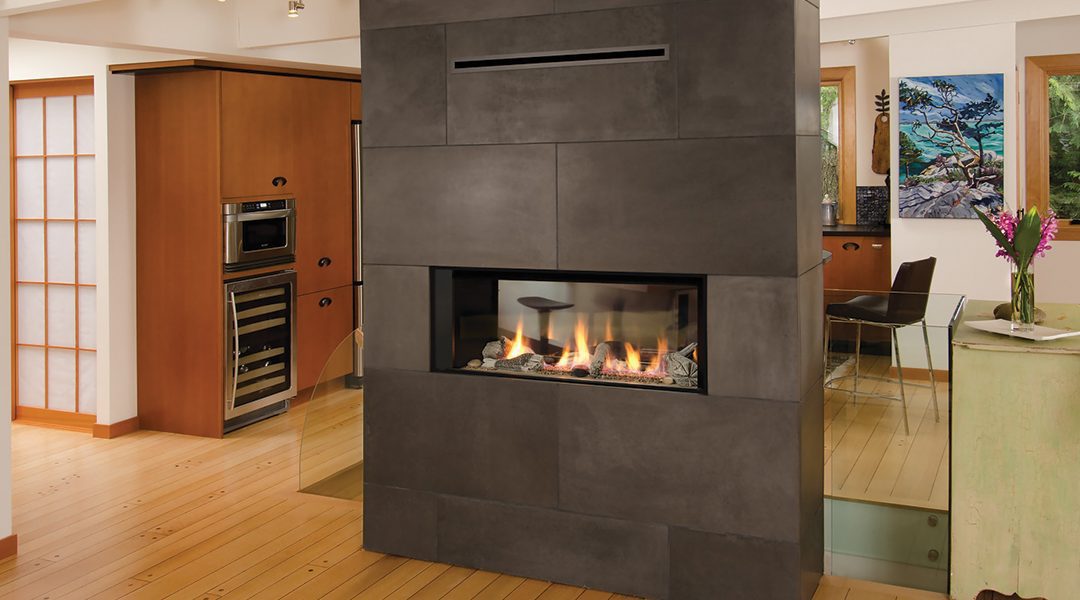
A fireplace situated between both the living areas and other spaces in the house can heat and be viewed from both rooms. Create a division between rooms such as the kitchen and an adjacent dining area. Add luxury with a double-sided fireplace between the bedroom and bathroom.

Outdoor Living Space

Fireplaces with a seating area help create the feeling of an additional room, and are a perfect place to entertain on a chilly evening. Add one near the pool or on the deck to encourage evening parties and make the most of your outdoor space.

There are many different fireplace options out there, so when considering a fireplace for any room, ensure you consult a specialty hearth retailer to pick the right fireplace for your needs.

Be Prepared When the Power Goes Out

Be Prepared When the Power Goes Out

Living in Canada, we’ve all experienced a bad winter storm. Freezing temperatures, piles of snow and, every so often, the power goes out, sometimes for days. Is your home ready for a power outage?

Be Prepared

You want to be sure you can feed your family and heat your home, or at least zones within your home. Be sure to have enough water (2 litres per person, per day) and nonperishable food available for up to 72 hours.

Heating Your Home

Are you prepared for your furnace and stove to be turned off for an extended period of time? Luckily, there are many products available that don’t run on electricity. Gas fireplaces, stoves and inserts are great secondary heat sources, especially when the power is out. Gas hearth appliances are designed to operate during a power failure. Some generate their own electricity or have battery back-up systems. It’s important to know which system you have for circumstances such as this. If your gas appliance has a battery back-up, make sure you have installed new batteries before every heating season.

Wood fireplaces, stoves and inserts are also great alternative heat sources. Be sure to have an adequate supply of fuel on hand. The radiant heat these units produce can warm your living spaces for days when necessary. There are fans available for freestanding woodstoves that help distribute heat through the room and require no electricity. They use the heat of the wood stove to power the fan.

Cooking Without Electricity

Some wood or gas burning stoves can also be used for heating food and water on top of the stove. Some wood and gas models have a second top layer. To improve the heat conductivity on these stoves, place your cook pot directly on the inner top. If your model is equipped with a trivet, remove it to access the inner top and maximize the heat conducted from the stove top. Some cook stoves even include an oven or a water reservoir for cooking and washing. Ovens or Dutch ovens can also be purchased separately to allow for even cooking on a stove. Take care to ensure there is no risk of the pot tipping over. It’s a good idea to purchase a thermometer with these units to maintain the heat more easily while cooking.

Cooking on your wood stove does require some forethought to allow the stove to function properly. Unlike an electric stove top there is no dial to regulate the temperature.  You control the heat by the amount of wood you place in the stove and attention is required to manage the heat properly. For high heat, it’s important to establish a good, large fire. For slow cooking food such as chili, soup or leftovers, the fire should burn low and steady for a long time by adding only one or two pieces of wood at more frequent intervals. You can also let the fire die down to a bed of coals and cook foods in a small Dutch oven or a foil packet directly on the hot bed of coals. Practice cooking on your wood stove before a power outage occurs to give yourself a better idea of how your wood stove will heat and cook foods!

Use Your Barbecue (But Never Inside the Home!)

Another great appliance to use during a power outage is your barbecue. Although this may seem like a surprise to some, many grill owners continue to grill all year long. Although winter grilling takes a bit more time compared to grilling in the summer months, it is still a great way to prepare food – even when the power isn’t out. Check out our article on Winter Grilling.