Winterizing Your Barbecue

Winterizing Your Barbecue

Many of us enjoy grilling outdoors year round, but for some of us, the grilling season comes to an end when temperatures drop below freezing. If you don’t plan to grill during the winter, we recommend “winterizing” your grill. Properly caring for it during the winter months will ensure your appliance will be in good working order next season.

Cleaning the Grill

Apply non-stick spray on the grates before lighting the grill; the protective spray cuts down the clean-up time afterwards. Heat for about 15 minutes, turn off the grill and allow it to cool. If you have a charcoal grill, line the bowl with aluminum foil. After heating, and once the grill and coals are cool, discard the foil with the coals and ash.

Once the grill has cooled, use a wire brush or even crumbled aluminum foil to scrub away buildup on the grates, and discard any grease from the grease tray. Spray grease-cutting dishwashing detergent on grill and grates, scrub with brush or abrasive pad, then rinse. A repeat may be necessary.

Clean the outside of the grill, using a good stainless steel cleaner; it’s important to scrub and polish in the direction of the grain. Make sure all dirt is removed, which can get trapped in the grain.

Covering the Grill

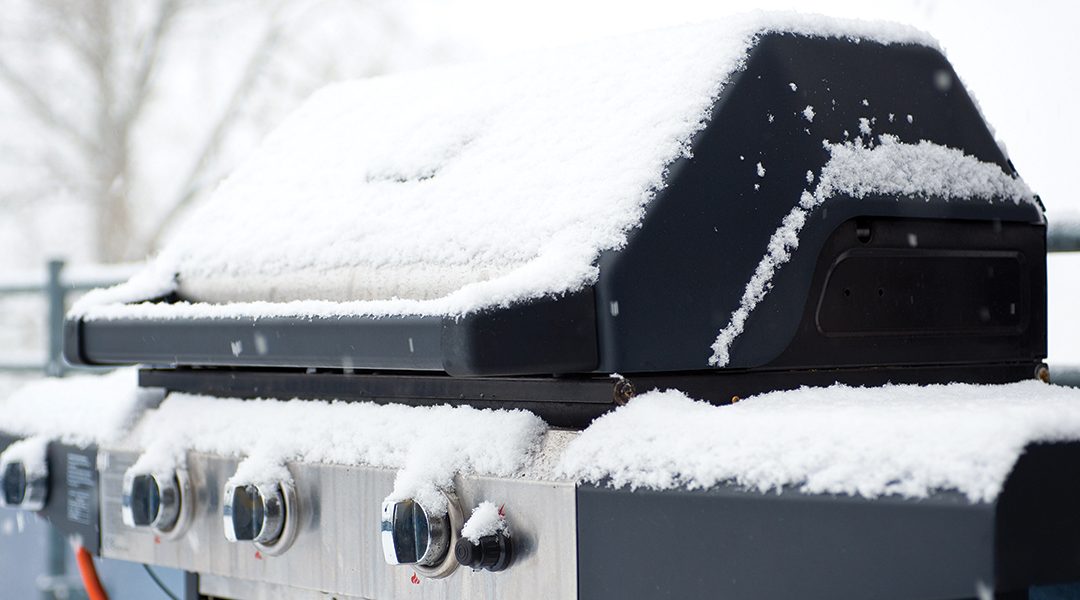
Invest in a good cover for your appliance; this is especially important if you plan on keeping it outside. Prolonged exposure to the elements can shorten the life of your grill, no matter how high quality it is. Grill covers are a good investment, when you compare their relatively low cost to the price of replacing your grill.

Cover once the barbecue is cool and dry.

Storing the Grill

If you won’t be using your barbecue during the winter, unplug your gas from the wall or remove your propane tank. If you have space, we recommend storing the barbecue in your garage or under a covered part of your patio. It is not safe to store propane tanks in the garage; store them outside, off of the ground, and cover.

If you have cast iron grates, it’s best to bring them inside. Temperature changes can cause them to crack, and moisture in the air can cause them to rust. It’s a good idea to season them before you put them away.

Preparing Your Outdoor Living Space for Winter

It’s also important to prepare and protect the rest of your appliances and equipment, so that everything is ready to use in the spring.

Keep brick oven and fireplace doors closed and cover fire pit openings to prevent snow and ice from building up inside the unit. If snow or ice does build up on a fireplace, fire pit or brick oven, be careful to remove any loose snow or ice, warm the unit up and thaw it slowly.

It’s important to protect your pipes, so shut off water to your outdoor kitchen and drain all water lines. Leave the drain valves open.

Turn off all of the power to appliances. Clean the inside of appliances and cabinets and wipe everything down to remove residual moisture. Do not cover outdoor refrigerators or ice makers, which could cause moisture to get trapped and cause electrical damage.

Cover any sinks to prevent debris from settling in the basin. You may want to consider removing the faucet and storing it indoors. If counter tops are made of stone, consider applying a sealant to prevent leaf stains or cracks caused by freezing moisture.
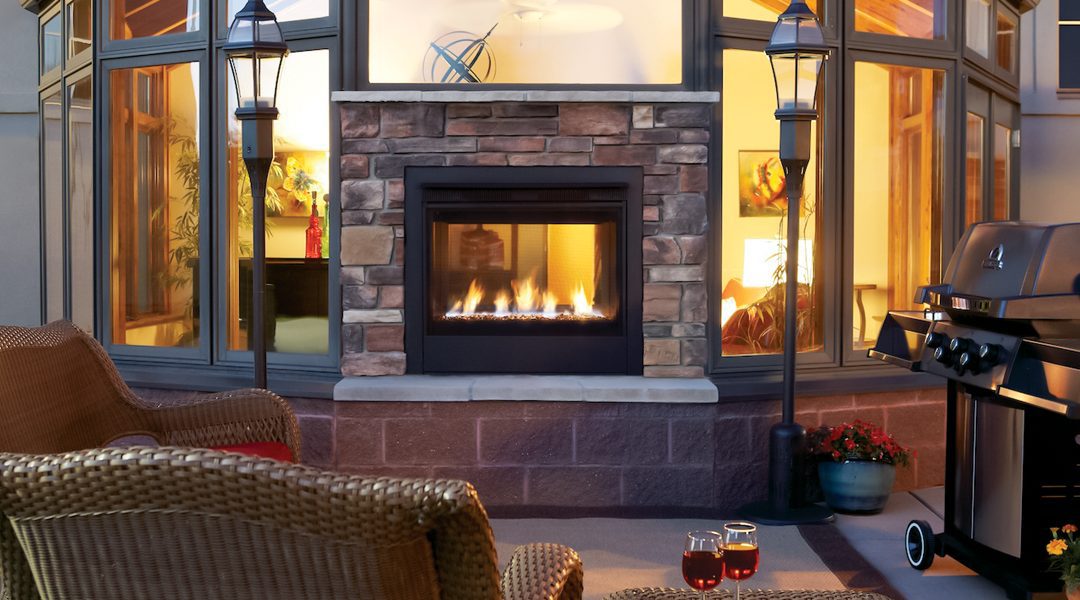
Tips for Creating an Outdoor Room

Tips for Creating an Outdoor Room

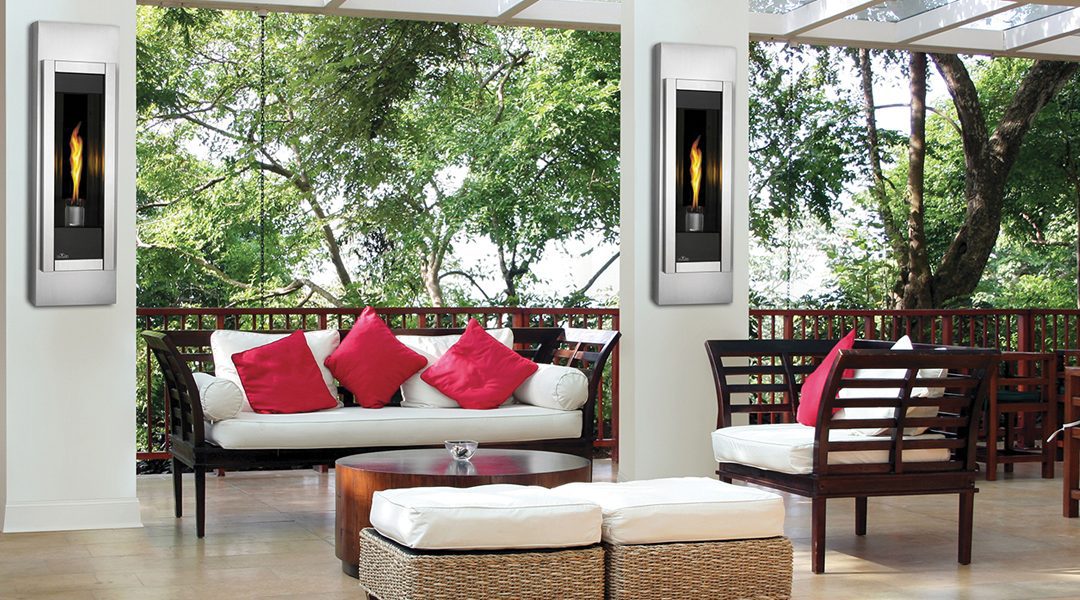
An inviting outdoor room greatly increases the appeal and value of your home and provides a comfortable, happy space for friends and family, allowing you to maximize the time you spend outdoors. Here are a few suggestions to keep in mind while creating the perfect space for you.

Determine the Available Space

Determine the amount of space you want to transform, and gather ideas on how to use this space, taking into account the purpose you want it to serve: cooking, dining, relaxation and play.

Identify Spaces and Products Dedicated to Specific Areas

These elements are crucial to establishing a plan according to your needs and desires. Position an outdoor fireplace as the focal point, determine the cooking and eating spaces, and define any other area you want to include.

Create Your Wish List

Magazines, newspapers and websites are all excellent reference tools that can guide you in your quest for the perfect outdoor room. Collect, print and file your favorite photos and articles so you can refer to them as you develop your outdoor room.

Consider the Style of Your Home

It is important to understand the architectural style of your home in order to create an outdoor room that reflects the interior. There are products, furniture and objects for all tastes and styles.

Think About Foundations

A stone terrace, retaining walls, a fence and a terrace are basic elements to consider.

Use Landscaping as an Accessory

Well positioned flowers, plants and shrubs will add the finishing touch, completing your design. Select plants that change with the seasons, offering different colors, different blooms and heady smells depending on the time of year. Be sure to read our article on working with a Professional Landscaper beginning on page 4 for more information.

Draw Up a Plan

The best way to design an outdoor room that will reflect your desires is to make sketches. Don’t worry about your drawing skills; the important thing is that the general idea is well represented.

Visit a Specialty Shop

A specialized retailer is a key partner in creating your outdoor room. Bring your ideas to a retailer who sells fireplaces, barbecues and/or patio furniture. They can help you determine the products, materials and accessories available in your area and guide you in the realization of your plan, in addition to coordinating the installation. A turnkey service will save you from surprises.

Research Products You’re Interested In

After checking details with a specialized retailer, go online to review products and manufacturer information.

Add Furniture

Choose comfortable furniture that will make people want to linger. No matter the style, patio sets are designed to create atmosphere, and give beauty and character to the oasis that will reflect your personality. In addition to tables and chairs for the dining area, consider a lounge area with sofas, loveseats and side tables.

Don’t Forget The Lighting

Maximize the time you spend outdoors by lighting important areas such as sidewalks, dining and leisure areas, or around the pool. Strategically place lights to highlight your landscaping.

Details, Details, Details

Once everything is done and done right, you can add small details that will make your outdoor room stand out. Pots of flowers, rugs, a special table or a piece of art can all enhance the ambiance of your patio!

Complete Your Project One Step at a Time

It often takes a few years to achieve the perfect end result while staying on budget despite a long wish list. Start by installing an outdoor fireplace and plan a dining area. Over the years, add accessories, decorative elements and landscaping.

Build Your Space

Have fun building this space! Remember to include all the things that are important to you, such as cooking, dining, relaxation and play areas.

Professional Landscaping: Designing Your Outdoor Living Space

Professional Landscaping: Designing Your Outdoor Living Space

It’s finally time to prepare your outdoor living space! Planning remains the key to avoiding costly mistakes and ensuring all your outdoor space wishes are realized. A professional landscaper is an important part of the design process to consider. With the help of a professional, landscaping transforms your outdoor living environment. A professional landscaper knows how to create dynamic and sustainable spaces that will enhance your quality of life, increase the value of your home and provide you with great satisfaction for a long time. Before contacting a professional landscaper, we advise you to plan your project by following the following steps.
Step 1: Set your goals
  • Are you interested in developing a single area on your property or do you want to transform several spaces? If the plan concerns several areas, which are the priorities?
  • Apart from the aesthetic aspect, how important is the functionality of the space? Are you aiming for maximum use of the premises?
  • Do you want your new garden to provide more security, more privacy, or greater ease of access?
  • Which style do you prefer: natural, urban, formal, informal, etc.?
  • What elements already exist in the places you want to keep, such as trees, rocks, streams, landscaping, etc.?
  • Is there a view you would like to keep, improve or hide?
  • Do you want to develop a plan or do you already have one? What are your design preferences, such as colours, types of materials, choice of plants, etc.?
  • What are your expectations for maintenance? Do you expect to spend a lot of time there, or do you prefer a low-maintenance layout?
Step 2: Identify the elements you want to be a part of your space
  • Cooking, dining, entertainment and relaxation areas
  • Barbecues, firepits, and outdoor fireplaces and heaters
  • Pools, spas, or other water features, such as waterfalls or ponds
  • Trails and walking areas, and shaded and sunny spaces
  • Garden pavilions, gazebos, pergolas, fences or trellises
  • Patios, terraces, playgrounds and lawn areas
  • Trees, shrubbery and plants, including ground cover, vines, vegetables, etc.
  • Lighting (both aesthetic and functional)
  • Irrigation, rainwater harvesting systems
  • Storage sheds or areas
Step 3: List the factors that could influence your design
  • Location and zone of your property
  • Climate (snow, wind, temperature)
  • Topography of the site (characteristics of the land surface)
  • Areas of sun and shade already present
  • Soil condition (e.g., clay soil, wet, swamp, sand, etc.)
  • Drainage and irrigation
  • Existing landscaping and permanent elements already in place
  • Municipal regulations, such as height restrictions on structures or construction distances to be respected; please check your municipality’s website for more information
  • Underground infrastructure, such as pipes, aqueducts, cables, etc.
  • Any restrictions on the schedule of work; keep in mind that it is best to do most landscaping work between the months of April and November
Step 4: Have a plan drawn up
A professionally designed plan is an essential step in any landscaping project. Since it reflects your choices, a master plan helps you keep control of your project and avoid unpleasant surprises, because it gives you an overview of the final result. To help you visualize how the components of your plan will work with existing property aspects and structures, your plan will identify plant elements (trees, plants, flowers, grass), inert elements (stones, patios, structures), as well as water and lighting features. This overview will be an important reference tool to explore the possibilities available to you, and will allow you to develop the design according to your needs and budget, as well as according to the stages of development. A professional plan will help you achieve your goals and maximize the potential of your property. It can also save you money. Landscaping is often a significant investment – mistakes and misunderstandings can be expensive. A professional can help you avoid making costly mistakes.
Step 5: Look for a Certified Landscaper
Certified landscapers are recognized for their commitment to the highest standards of quality. Take the time to fully research the professional association in your area and find the right landscaper for you.

Source: Association of Professional Landscapers of Quebec (appq.org)

Being Thankful For Your Barbecue

Being Thankful For Your Barbecue

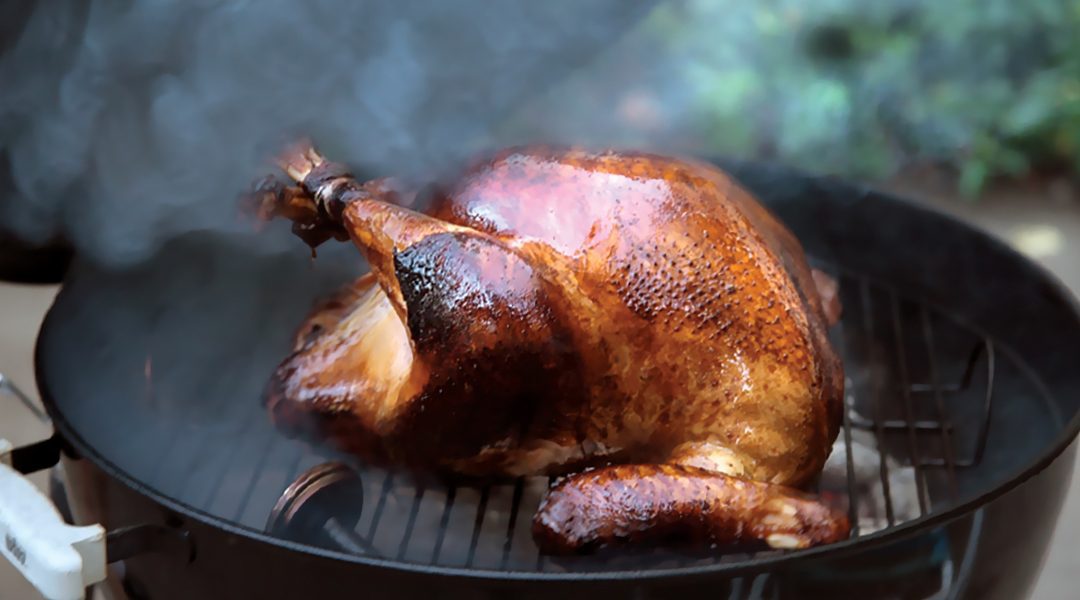
Thanksgiving is a time of reflection and being grateful. It’s the one holiday we gather and celebrate exclusively with food, with the turkey as the main attraction. Nothing is more important than how the turkey turns out at a Thanksgiving dinner, so the pressure is on to live up to everyone’s expectations. So instead of preparing a turkey the traditional way (in the oven) like everyone else, consider using your trusted barbecue for a guaranteed positive impression on your guests.

The stove, oven and microwave are generally the go-to appliances for preparing a Thanksgiving dinner; however, they can make your kitchen feel like a sauna once your oven is cranked to 475 degrees and all burners on the stove are raging. But by cooking the turkey outside and letting your grill do the heavy lifting, it frees up your oven for other tasks and provides a tasty alternative to the traditional oven-roasted turkey, much to the delight of your guests.

There are countless recipes to prepare a scrumptious turkey on a gas, charcoal or pellet barbecue, and you can achieve terrific results with a ceramic (or Kamado) grill or a smoker.  Each method will give your turkey a distinct, delicious flavour, making it a meal to remember. Check out the following links to recipes and cooking instructions on how to prepare a Thanksgiving turkey outside.


Kamado
Gas
Charcoal
Smoker
Designing the Perfect Outdoor Kitchen

Designing the Perfect Outdoor Kitchen

Relax, socialize, eat… These daily activities take place largely outside in summer months of the year. Current barbecues have multiple functions and offer different cooking possibilities. With so many different cooking options, we can prepare the entire meal outdoors!

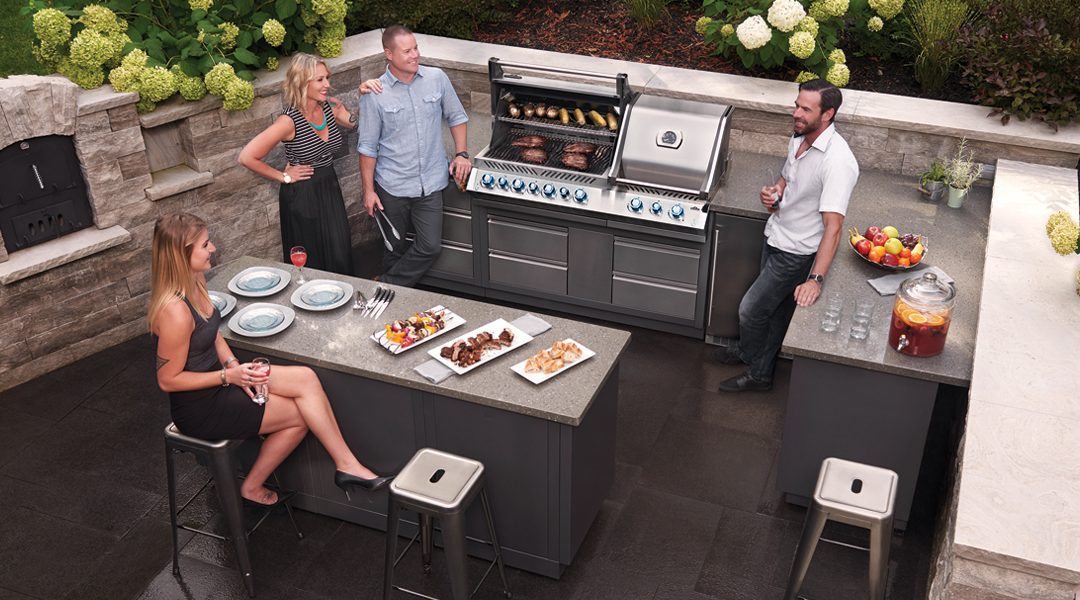
Creating a kitchen area around the grill allows the cook to enjoy family and guests while cooking – making the grill not only a utilitarian appliance, but also a social gathering place. There are a wide range of home kitchen appliances built for outdoor use. Fridge, ice machine, pantry, beer keg… everything you need.

Quality is Key

It’s important to choose quality appliances and products that are designed for outdoor use. Quartz or granite countertops are suitable for an outdoor kitchen, but a protective sealant must be applied every year to preserve the luster of the stone. Concrete also needs to be sealed regularly. Another option is a non-porous material such as neolith, not requiring any yearly maintenance. Appliances and materials of good quality are essential for the sustainability of an outdoor kitchen. Even with protective coverings for the winter months, appliances must be able to withstand extreme temperature ranges, so buying good quality appliances that are suitable for outdoor use is crucial. Specialty retailers generally offer good warranties.

Plan Ahead When Designing

Be sure to always check dimensions and sizing of new appliances in order to integrate them without trouble into the kitchen. Although you may be only installing a few features now, proactively think about what else you would like to add in the future so you have the space to do so. Accounting for counter space is crucial – side burners, sinks, portable appliances and a work area all take up counter space. If the area is small, you may want to stick to a grill, a prep area and a space for the trash. Installing a sink with running water available in your outdoor kitchen is very practical. However, this requires plumbing work and the convenience may not outweigh the costs, depending on the configuration of your outdoor area.

Smart and Stylish Design

Make your outdoor kitchen an extension of your home – both in use, but also in style and design. Be sure to choose colours and styles that flow with the rest of the home and consider tying in different features to match your indoor kitchen, whether it be your cabinet colour, backsplash or countertop. This will harmonize the feel of your home. Also, remember to consider the amount of direct sunlight your outdoor space receives – dark colours can become very hot. You may want to avoid a dark counter if your outdoor kitchen is exposed. It’s important to prioritize what is important for you and your family to make the most of your outdoor living area. Don’t be afraid to start by brainstorming your dream outdoor kitchen and working backwards to ensure you meet your budget.