‘Twas the Night Before Christmas

‘Twas the Night Before Christmas

‘Twas the night before Christmas and all through the home
The fireplace crackled as its warmth gently shone.
The stockings were hung at a safe, cozy height
In hopes that St. Nicholas would visit that night.

But before Santa arrives with his sleigh full of cheer
He checks every chimney, oh yes, every year.
So let us prepare with some care and delight
To keep every hearth warm and safe through the night.

First, sweep out the chimney and clear out the flue
For Santa hates soot on his suit, wouldn’t you?
Then clear off the mantel of ribbons and bows
And keep trees and decor far away from the glow.

If you are burning real logs, choose ones dry and prepared
For green wood makes smoke and Santa gets scared.
Use screens or glass doors so no sparks can roam
This keeps little embers from wandering your home.

Never burn gift wrap or boxes or bows
It crackles too wildly and far too fast grows.
Check each smoke alarm and the CO one too
They watch over the house and they watch over you.

Make sure vents and dampers are open and clear
To give warm winter air the best pathway this year.
Complete every step and you surely will find
A jolly old elf who is pleased and kind.

And when the house settles and embers burn bright
Santa steps lightly as he visits that night.
For a hearth that is cared for with caution and cheer
Makes Christmas feel magical, cozy, and clear.


From all of us here at HPBAC, we send wishes of light
Merry Christmas to all and to all a warm night.


*AI tools were used to assist in creating this content. A human review was conducted to confirm accuracy.
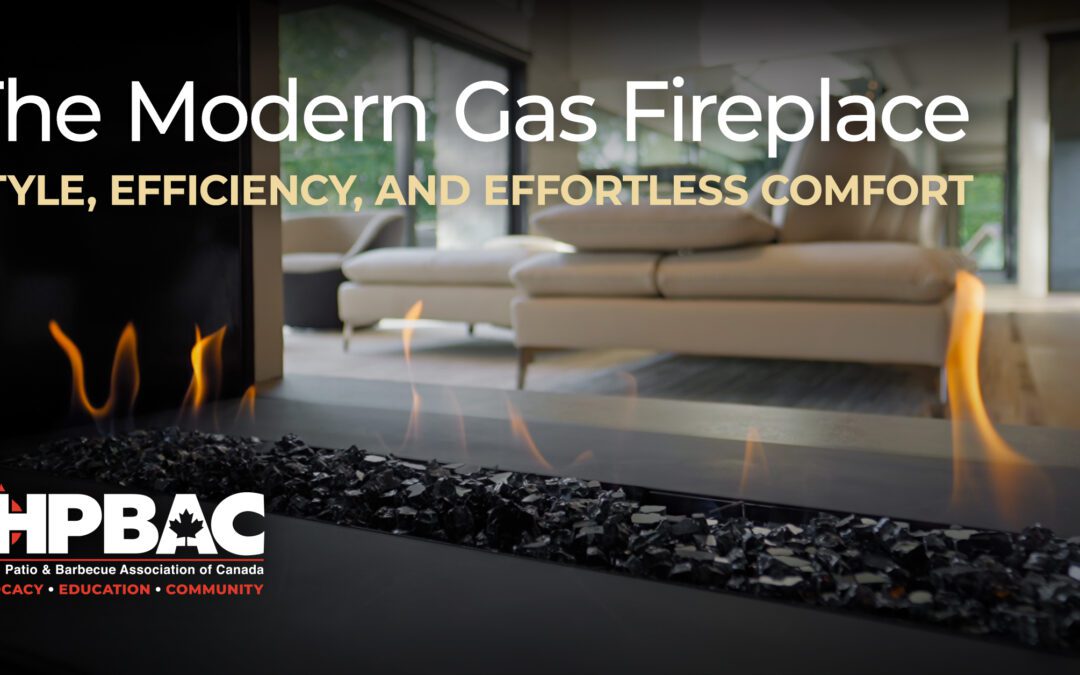
The Modern Gas Fireplace: Style, Efficiency, and Effortless Comfort

The Modern Gas Fireplace: Style, Efficiency, and Effortless Comfort

Gone are the days when gas fireplaces were simple metal boxes with a faint orange glow. Today’s models offer sleek design, high performance, and effortless comfort  – all at the touch of a button. Behind that innovation is a strong North American industry that has remained committed to local manufacturing, delivering superior craftsmanship and supporting Canadian communities.

What Sets Modern Gas Fireplaces Apart

Advances in burner technology, flame presentation, and heat control have transformed the experience. Today’s models deliver the beauty of a real flame with consistent, controllable heat and modern convenience.

Key Advantages of Modern Gas Fireplaces:
  • High Efficiency:
    Many models achieve tested efficiencies of 70–85%, keeping more heat inside your home instead of sending it up the vent.
  • Zone Heating:
    Warm only the rooms you use most, reducing overall energy consumption and utility costs.
  • Reliable in Outages:
    Many models continue to provide heat during a power outage, offering dependable comfort when you need it most.
  • Built to Last:
    With regular professional maintenance and proper operation, a quality gas fireplace can provide decades of reliable, efficient heat.
  • Design Flexibility:
    Frameless, see-through, corner, and linear models integrate seamlessly into both classic and contemporary interiors. Realistic ceramic logs, stones, or glass media complete the look.
  • Smart Control:
    Wi-Fi connectivity, programmable thermostats, and voice assistant compatibility make operation simple and intuitive.

Built for Comfort and Performance

Modern gas fireplaces are engineered for consistent, dependable performance and safe operation. Direct vent technology has largely replaced older B-vent systems, using a sealed combustion design that improves energy performance and protects indoor air quality. Many models are certified to meet or exceed current standards in Canada, offering peace of mind alongside warmth and style.

Where to Install a Modern Gas Fireplace

Gas fireplaces can be installed in far more places than traditional units. With direct venting through an exterior wall, homeowners can enjoy their warmth and glow in:

  • Open-concept living areas
  • Primary bedrooms and bathrooms
  • Finished basements or dens
  • Condos and smaller spaces where venting flexibility is key

Some designs even serve as elegant room dividers or architectural focal points.


Whether you’re creating a cozy retreat or a striking centerpiece, a modern gas fireplace offers the perfect blend of comfort, design, and technology. Easy to operate and built for today’s homes, it’s a stylish way to enhance any space.

Discover the warmth and style of modern gas fireplaces – visit your local hearth dealer today.

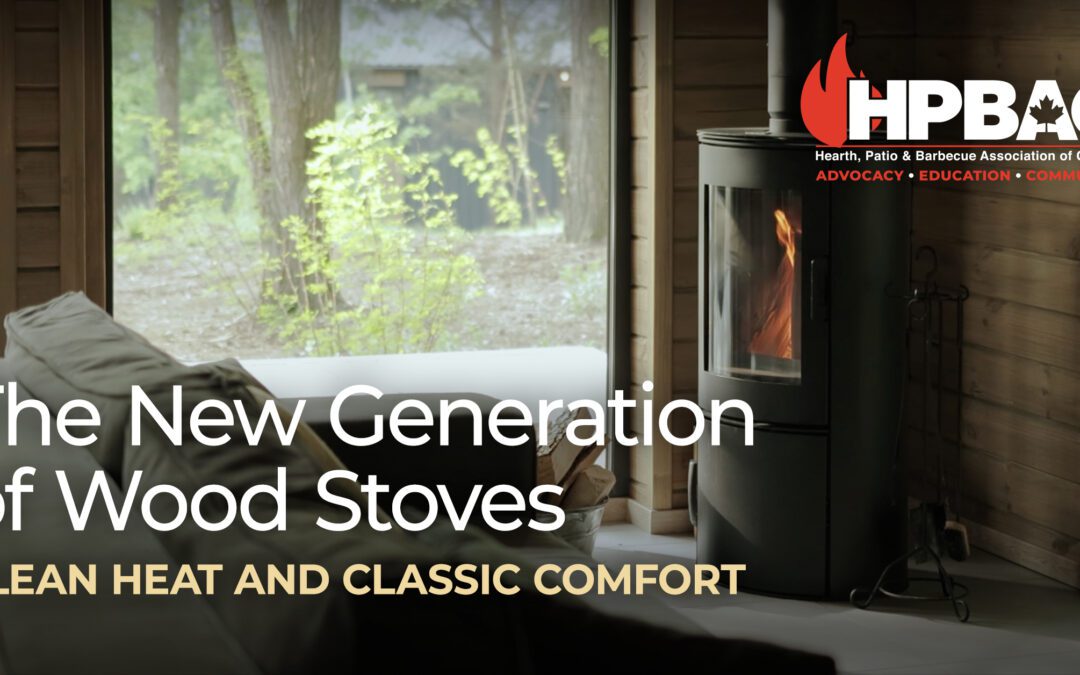
The New Generation of Wood Stoves: Clean Heat and Classic Comfort

The New Generation of Wood Stoves: Clean Heat and Classic Comfort

Wood stoves have long been known for their rustic charm – but newer designs offer much more than nostalgia. Today’s EPAcertified models combine high efficiency and clean performance with modern style, making them a smart choice for sustainable heating without compromise. 

What’s Changed in Modern Wood Stoves?

Advances in combustion design and airflow management have transformed how wood stoves perform. These innovations allow stoves to burn hotter and more completely, converting more wood into usable heat while producing far less smoke and soot.

Key Improvements in Modern Models:
  • Higher Efficiency:
    Many EPA-certified wood stoves achieve tested efficiencies of 70–83%, compared to older models that wasted heat up the chimney. This means more warmth from less wood.
  • Certified Clean Burn:
    Modern stoves emit as little as 0.5-4.5 grams of particulate matter per hour, compared to 60 grams or more from older units – a significant reduction in emissions.
  • Longer Burn Times:
    Improved airflow lets you enjoy 8+ hours of steady heat on a single load, especially with properly seasoned wood.
  • Contemporary Styles:
    From classic cast iron to sleek steel designs with large glass viewing windows, today’s stoves complement both traditional and modern interiors.

Is Burning Wood Carbon-Neutral?

When sourced from sustainably managed forests, wood can be considered carbon-neutral, since the CO₂ released during combustion roughly equals the amount absorbed during growth.

Why Upgrade Your Old Stove?

Replacing an uncertified stove with an EPA-certified model can:

  • Cut emissions by over 90%
  • Reduce wood consumption
  • Improve indoor air quality
  • Qualify for energy efficiency rebates or incentives in some areas

Where Do Modern Wood Stoves Belong in Today’s Homes?

They’re not just for cabins anymore. With advanced safety features like airwash systems and catalytic combustors, modern wood stoves are now found in:

  • Suburban family homes as supplemental heat
  • Open-concept living spaces for cozy ambiance
  • Rural homes as backup heat during power outages

If you love the crackle of a real fire and the independence of wood heat, modern wood stoves deliver that charm without the downsides. They’re cleaner, safer, and far more efficient than ever before, making them a stylish, sustainable way to heat your home.


Ready to upgrade? Visit your local hearth dealer to see today’s clean, efficient wood stoves.

What Is a Hearth? Understanding the Heart of the Home

What Is a Hearth? Understanding the Heart of the Home

The hearth is one of the oldest and most cherished features in a home, often called the “heart of the home.” But what exactly is a hearth, and why has it held such an important place throughout history? Let’s explore its meaning, its components, and why it continues to matter today.


What Is a Hearth?

At its most basic, a hearth is the floor of a fireplace – the area where the fire is built. Traditionally made from stone, brick, or other non-combustible materials, the hearth extends into the room to protect the home from sparks, embers, and heat damage.

Over time, the word “hearth” has come to represent more than just the fireproof floor. It often refers to the entire fireplace structure – firebox, mantel, and chimney included – and, more broadly, the warmth and comfort a fire brings. For centuries, the hearth was the center of home life, providing heat, light, and a place to cook, while serving as a gathering spot for family and friends. Across cultures, it became a symbol of hospitality, security, and tradition.

Even today, with modern heating systems, fireplaces remain popular. Whether wood-burning, gas, or electric, they continue to be valued not only for their utility but also for the atmosphere and sense of connection they create.


The Components of a Hearth

A traditional hearth includes several key elements, each with its own function and character.

  • Hearth Base – The flat, fireproof surface where the fire is built, usually extending into the room.
  • Firebox – The enclosed chamber lined with fire-resistant material where the fire burns.
  • Surround – The decorative framework around the fireplace opening, made of stone, tile, wood, or other materials.
  • Mantel – A shelf or ledge above the fireplace, often used to display photos, artwork, or seasonal décor.
  • Chimney – The vertical passage that carries smoke and gases safely out of the home.

Different Types of Hearths

Modern hearths come in a variety of styles to suit different lifestyles and design preferences.

  • Wood-Burning HearthsThe classic choice, offering crackling flames, warmth, and the scent of burning wood.
  • Gas Hearths – Convenient, efficient, and low-maintenance, gas fireplaces operate with the flip of a switch.
  • Electric Hearths – Highly versatile and easy to install, these use LED technology to create the look of flames without the need for a chimney.
  • Outdoor HearthsFrom fire pits to full outdoor fireplaces, these bring warmth and ambiance to patios and backyards.


The Modern Hearth: Blending Tradition with Innovation

While the hearth has evolved with technology, its essence remains unchanged. Today’s fireplaces may feature eco-friendly designs that reduce emissions, or smart controls that integrate with home systems, but they still provide the same sense of comfort and gathering that has defined hearths for thousands of years.


From ancient stone fire pits to sleek, modern fireplaces, the hearth has always been more than a source of heat. It represents family, tradition, and the simple comfort of coming together. Whether you’re building a new home or updating an existing space, a hearth adds both practical value and timeless warmth – the true heart of the home.

The hearth is one of the oldest and most cherished features in a home, often called the “heart of the home.” But what exactly is a hearth, and why has it held such an important place throughout history? Let’s explore its meaning, its components, and why it continues to matter today.


What Is a Hearth?

At its most basic, a hearth is the floor of a fireplace – the area where the fire is built. Traditionally made from stone, brick, or other non-combustible materials, the hearth extends into the room to protect the home from sparks, embers, and heat damage.

Over time, the word “hearth” has come to represent more than just the fireproof floor. It often refers to the entire fireplace structure – firebox, mantel, and chimney included – and, more broadly, the warmth and comfort a fire brings. For centuries, the hearth was the center of home life, providing heat, light, and a place to cook, while serving as a gathering spot for family and friends. Across cultures, it became a symbol of hospitality, security, and tradition.

Even today, with modern heating systems, fireplaces remain popular. Whether wood-burning, gas, or electric, they continue to be valued not only for their utility but also for the atmosphere and sense of connection they create.


The Components of a Hearth

A traditional hearth includes several key elements, each with its own function and character.

  • Hearth Base – The flat, fireproof surface where the fire is built, usually extending into the room.
  • Firebox – The enclosed chamber lined with fire-resistant material where the fire burns.
  • Surround – The decorative framework around the fireplace opening, made of stone, tile, wood, or other materials.
  • Mantel – A shelf or ledge above the fireplace, often used to display photos, artwork, or seasonal décor.
  • Chimney – The vertical passage that carries smoke and gases safely out of the home.
 

Different Types of Hearths

Modern hearths come in a variety of styles to suit different lifestyles and design preferences.

  • Wood-Burning HearthsThe classic choice, offering crackling flames, warmth, and the scent of burning wood.
  • Gas Hearths – Convenient, efficient, and low-maintenance, gas fireplaces operate with the flip of a switch.
  • Electric Hearths – Highly versatile and easy to install, these use LED technology to create the look of flames without the need for a chimney.
  • Outdoor HearthsFrom fire pits to full outdoor fireplaces, these bring warmth and ambiance to patios and backyards.


The Modern Hearth: Blending Tradition with Innovation

While the hearth has evolved with technology, its essence remains unchanged. Today’s fireplaces may feature eco-friendly designs that reduce emissions, or smart controls that integrate with home systems, but they still provide the same sense of comfort and gathering that has defined hearths for thousands of years.


From ancient stone fire pits to sleek, modern fireplaces, the hearth has always been more than a source of heat. It represents family, tradition, and the simple comfort of coming together. Whether you’re building a new home or updating an existing space, a hearth adds both practical value and timeless warmth – the true heart of the home.
Preparing Your Home for a Power Outage:  Heating, Cooking, and Staying Safe

Preparing Your Home for a Power Outage: Heating, Cooking, and Staying Safe

Living in Canada, we’ve all experienced a bad winter storm—freezing temperatures, piles of snow, and sometimes, power outages that can last for days. Is your home ready to handle one?


Be Prepared: Essential Supplies

During a power outage, you’ll want to ensure you can keep your family fed and at least part of your home warm. Here are some basics to have on hand:

  • Water: Store at least 2 litres per person, per day, for up to 72 hours.
  • Non-perishable food: Stock up on canned goods, dry snacks, and other items that don’t require refrigeration.
Plan Ahead for Emergencies

To make the most of your fireplace and barbecue during a power outage, preparation is key.

  • Create a supply kit: Include firewood, matches, a fire extinguisher, extra propane or charcoal, and a first-aid kit.
  • Install safety equipment: Carbon monoxide detectors and fire alarms are crucial when relying on fireplaces or barbecues.
  • Have a backup cooking plan: Stock non-perishable foods that can be cooked easily on a grill.


Heating Your Home Without Power

Whether you’re using a gas or wood-burning appliance, safety should always come first.

  • Never leave a fire unattended.
  • Ensure proper ventilation to avoid carbon monoxide buildup, especially with gas fireplaces.
  • Use a sturdy screen or glass doors to prevent sparks from escaping.

Gas Fireplaces, Stoves, and Inserts

Gas appliances are excellent secondary heat sources during power outages. Many models are designed to operate without electricity, either by generating their own power or using a battery backup.

Tips for Gas Appliances
  • Check whether your gas appliance has a battery backup – if not, consider adding one to your setup.
  • Install fresh batteries before every heating season.

Wood Fireplaces, Stoves, and Inserts

Wood heating appliances are another reliable option. They produce radiant heat that can warm your living spaces for days.

Tips for Wood Heating Appliances
  • Keep an adequate supply of seasoned firewood.
  • Use non-electric fans designed for woodstoves to circulate heat. These fans are powered by the heat from the stove itself.
  • Keep your chimney clean and in good working condition to avoid smoke buildup or fire hazards.


Cooking Without Electricity

Using Your Wood or Gas Stove

Many wood and gas stoves can double as cooking appliances. They can heat food or water on top of the stove, and some models even include additional features like ovens or water reservoirs.

Tips for Cooking on Stoves
  • For models with a trivet, remove it to place pots directly on the inner top for better heat conductivity.
  • Use a thermometer to monitor cooking temperatures.
  • Practice cooking on your stove ahead of time to understand how to manage heat.
Cooking with a Wood Stove
  • High Heat: Build a large, steady fire.
  • Low and Slow: Add one or two pieces of wood at frequent intervals for a long, steady burn.
  • Cooking on Coals: Let the fire die down to a bed of coals and use a Dutch oven or foil packets for even cooking.

Using Your Barbecue

A barbecue is another valuable tool for preparing food when the power is out—but remember, never use a barbecue indoors due to the risk of carbon monoxide poisoning.

Winter Grilling Tips
  • Allow extra time for food to cook, as outdoor temperatures can affect grilling.
  • Check out our article on Winter Grilling for more tips on using your barbecue effectively in cold weather.
Safety Tips
  • Always use your barbecue outdoors in a well-ventilated area, away from windows, doors, and flammable materials.
  • Never bring a barbecue inside—carbon monoxide poisoning is a serious risk.


Canadian winters can be unpredictable, but with the right preparation, you can keep your family warm, fed, and safe during a power outage. By maintaining your fireplaces and stoves, practicing your cooking methods, and having essential supplies ready, you’ll be well-equipped to weather any storm.