Review of Fall 2020 Provincial Elections (BC, SK, NB)
The fall of 2020 saw voters in three Canadian provinces head to the polls as part of provincial general elections. This article looks at the election results in British Columbia, Saskatchewan, and New Brunswick, and policy implications those results may have.
[content_control]
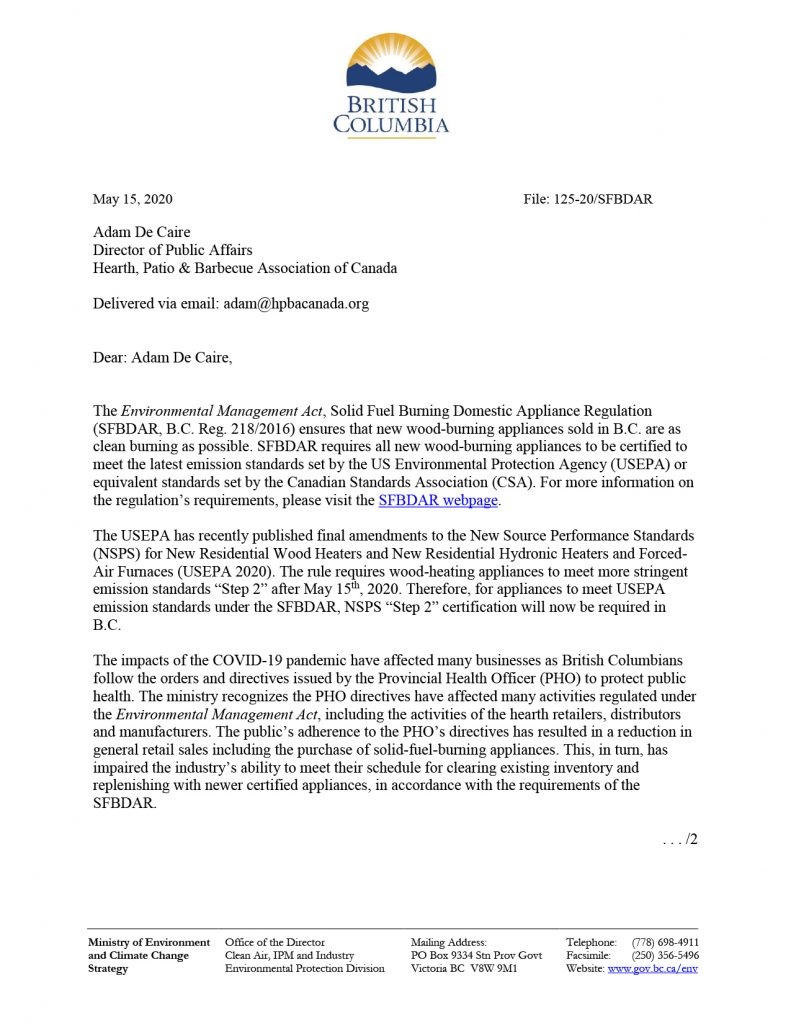
British Columbia
Election Date: October 24th, 2020
Governing Party Prior To The Election: B.C. New Democratic Party (Minority)
Governing Party Following The Election: B.C. New Democratic Party (Majority)
New Seat Breakdown:
Government: British Columbia New Democratic Party (57)
Opposition: British Columbia Liberal Party (28)
Third party: British Columbia Green Party (2)
Having governed for three-and-a-half years as part of a coalition government with the B.C. Green Party, Premier John Horgan drew criticism for his decisions to call a snap election on September 21st. Thankfully for he and his party however, the voters of B.C. did not hold the election call against the party, returning the B.C. NDP back to the legislature, this time with a strong majority mandate. This is the second government in as many months to head to the polls early and convert a minority mandate into a majority one, just as New Brunswick Premier Plaine Higgs did in September.
The years ahead will see the B.C. NDP Government pursue the commitments made in their 2020 Campaign Platform “Working For You”. Elements of the platform that may be of interest to industry members include:
- Commit BC to achieving net-zero emissions by 2050: CleanBC currently sets a target of reducing emissions by 40 percent by 2030. To complete the task, we will pass legislation requiring BC to reach net-zero by 2050 – meaning there are either no harmful carbon emissions or they are offset by natural carbon sinks, carbon capture or other technologies.
- Require greener buildings: We are already requiring new buildings and retrofits to be more energy efficient and cleaner – every new building constructed in BC must be net-zero ready by 2032. We will take the next step by empowering local governments to set their own carbon pollution performance standards for new buildings. And we will require realtors to provide energy efficiency information on listed homes to incent energy-saving upgrades and let purchasers know what energy bills they will face.
- Accelerate energy efficiency retrofits beginning now: We will spur more energy-efficiency upgrades with programs and incentives for both residential and commercial buildings – including PACE (Property Assessed Clean Energy) financing that allows homeowners to take out loans for efficiency upgrades and pay them back over time through annual property taxes.
Want to know more about your local Member of the Legislative Assembly? CLICK HERE TO FIND OUT.
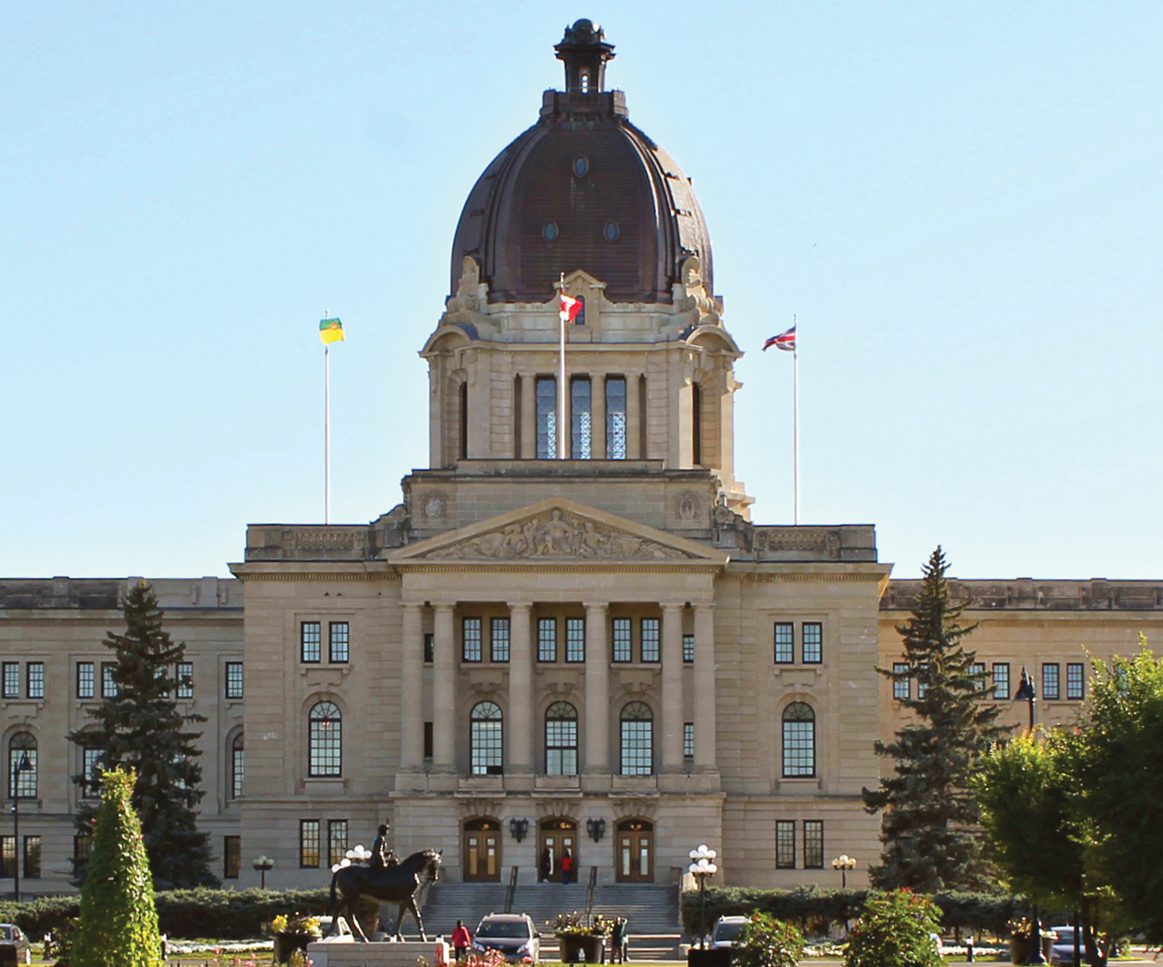
Saskatchewan
Election Date: October 26th, 2020
Governing Party Prior To The Election: Saskatchewan Party (Majority)
Governing Party Following The Election: Saskatchewan Party (Majority)
New Seat Breakdown:
Government: Saskatchewan Party (48)
Official Opposition: New Democratic Party (13)
Of the three provincial elections held this fall, Saskatchewan’s was the only one which was the result of a fixed election date. The election resulted in very little change in the make-up of the legislature, with Saskatchewan Party Leader and Premier Scott Moe returning with a strong majority mandate.
The party campaigned on their platform “Our Plan For A Strong Saskatchewan,” which includes the following items of interest to industry”
- Reducing Taxes on Small Businesses: A re-elected Saskatchewan Party government will introduce a three-year reduction to the small business tax rate, as part of the Saskatchewan Party’ plan to support Saskatchewan’s economic recovery from COVID-19. This will help support Saskatchewan small businesses sustain operations, retain and hire new employees, and grow their businesses.
- The Saskatchewan Party government unveiled “Prairie Resilience,” our made in Saskatchewan Climate Change Strategy, which will reduce emissions in a meaningful way. These commitments will reduce annual greenhouse gas emissions by 12 million tonnes by 2030.
- A re-elected Saskatchewan Party government will introduce a new Saskatchewan Home Renovation Tax Credit to make the cost of home renovations more affordable. The Saskatchewan Home Renovation Tax Credit will allow Saskatchewan homeowners to claim a non-refundable 10.5% provincial tax credit on eligible
home renovation expenses undertaken on their primary residence between October 1st 2020 and December 31st, 2022.
Want to know more about you local Member of the Legislative Assembly? CLICK HERE TO FIND OUT.
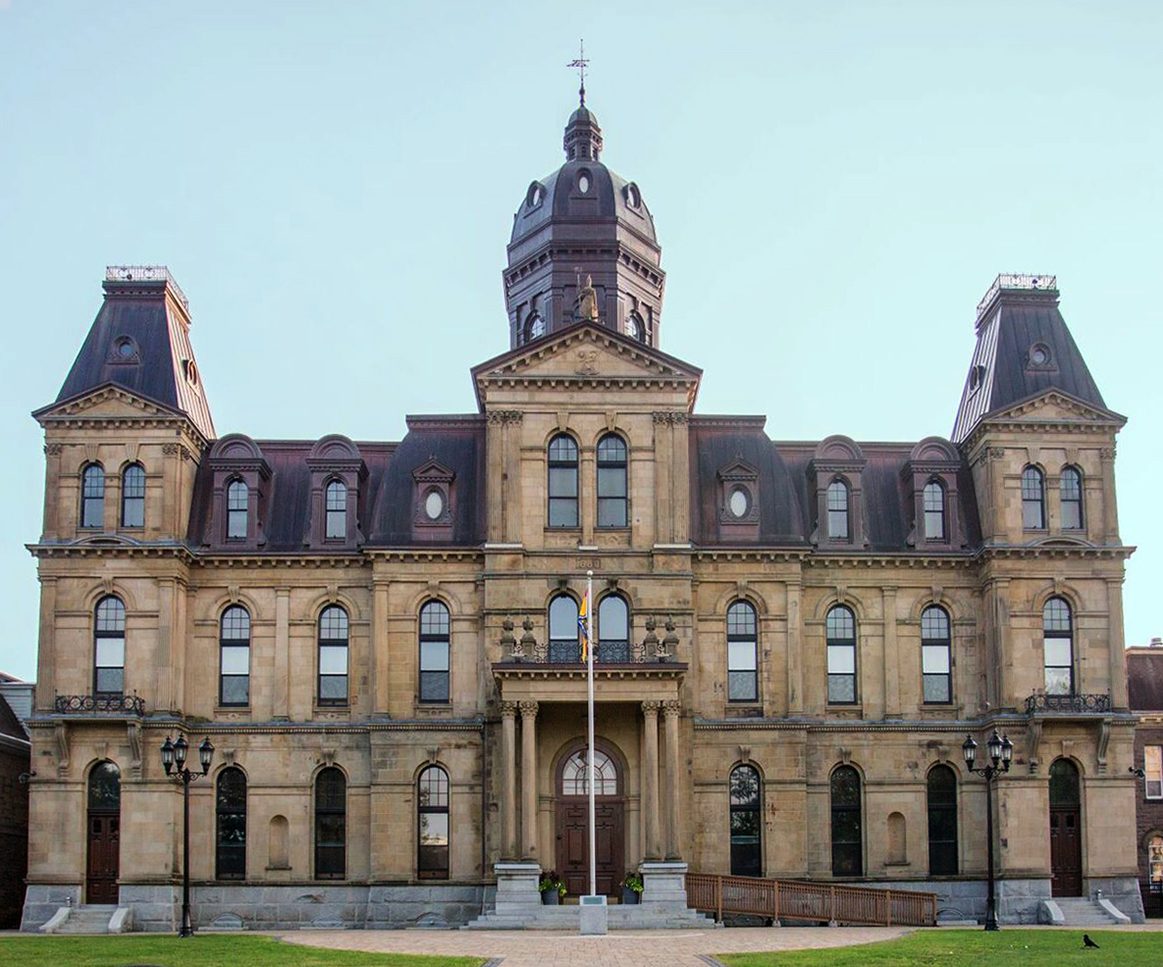
New Brunswick
Election Date: September 14th, 2020
Governing Party Prior To The Election: Progressive Conservative Party of New Brunswick (Minority)
Governing Party Following The Election: Progressive Conservative Party of New Brunswick (Majority)
New Seat Breakdown:
Government: Progressive Conservative Party of New Brunswick (27)
Opposition: New Brunswick Liberal Party (17)
Third Party: Green Party of New Brunswick (3)
Fourth Party: People’s Alliance of New Brunswick (2)
As with British Columbia, the snap election call worked out favourably for Premier Blaine Higgs and the Progressive Conservative party, Mr. Higgs. the first Premier since 2003 to win a second term. The conservatives hold a modest majority in the Legislature with 27 seats.
“Up To The Job: Recover, Reinvent, Renew,” saw the party make the following commitments of note:
- Helping businesses compete in a digital economy will be absolutely key to the province’s long-term success when international trade missions are no longer occurring and travel is restricted. Under our leadership, Opportunities New Brunswick will be working with our businesses across the province to support their transition to a digital economy so sales and exports can continue. They will support businesses in learning how to sell online, use enhanced marketing and e-commerce strategies, and promote our province’s brand through social media.
- Productivity must improve to help New Brunswick businesses close the gap. Opportunities New Brunswick is designing programs to offer assessments and help our businesses close the productivity gap – especially our manufacturers who are struggling to scale their operations. This could mean embracing robotics, artificial intelligence, and just using existing technologies more effectively to increase outputs and improve overall competitiveness so they can weather this storm and come out the other end stronger.
- Importantly, our government will ensure that energy consumption and greenhouse gas emissions from new constructions will be at least 25 percent lower than National Building Code requirements.
Want to know more about you local Member of the Legislative Assembly? CLICK HERE TO FIND OUT.
HPBA Canada will follow the progress on the commitments made throughout these campaigns, and continue to provide updates to members.
To discuss any of these matters, feel free to contact:
Adam De Caire
Director, Public Affairs
HPBA Canada
(647) 998-4235
adam@hpbacanada.org
[/content_control]